Finding a Walkable Life Abroad: Swapping Hustle for Slow‑Living Streets

I wasn’t sure I was ready to write about this yet, but because this blog is part art journal, part travel diary, it feels like the right place to begin.

Later this year we may relocate to a more affordable country—a move that will give us space to pursue our creative projects, wander freely, and step away from the relentless grind of American hustle culture. I’m dreaming of a place where I can stroll to bustling produce markets, bakeries, and cheese shops, then settle into a café for hours—reading, writing, people-watching—without worrying about the cost of living.

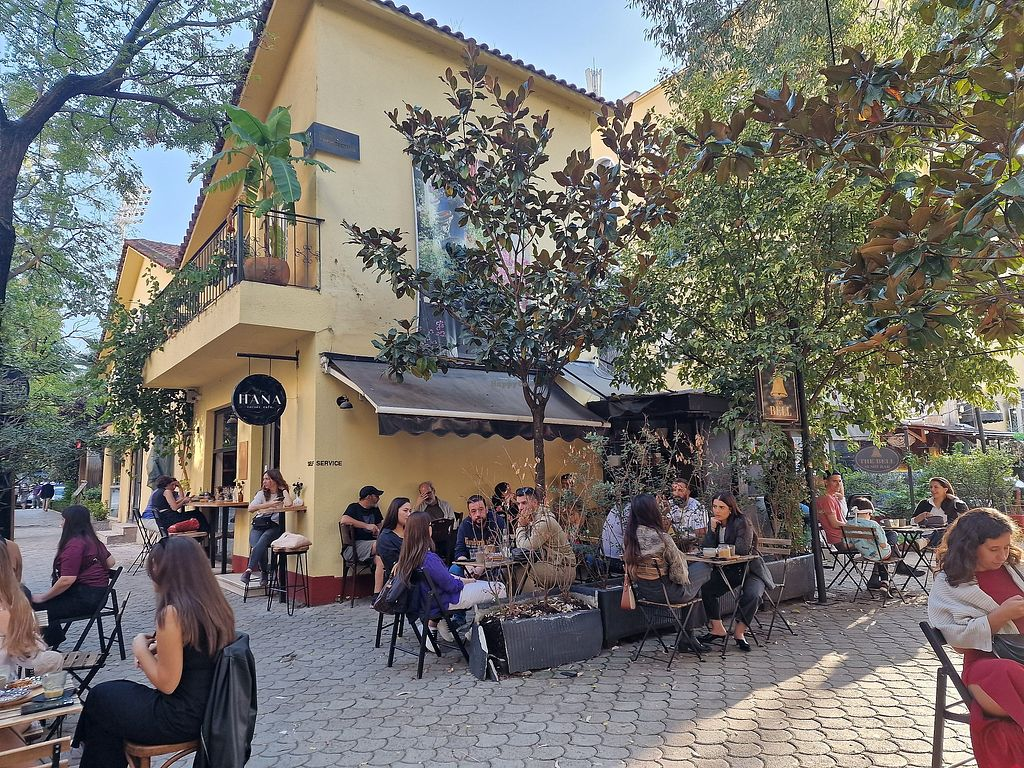
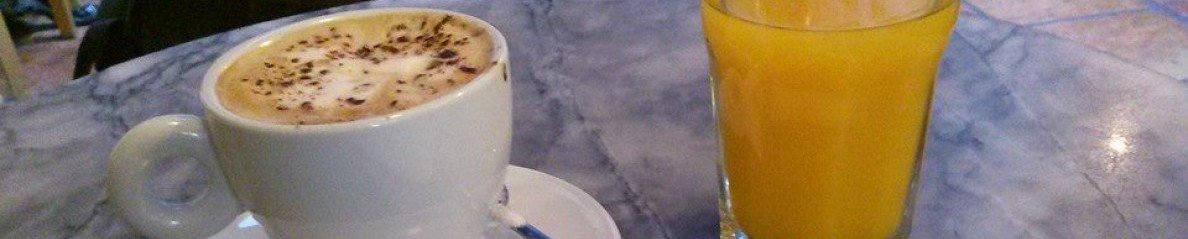
Photo of Hana Cafe, Tirane, Albania – c/o Happy Cow.net

For me, this is a return to a lifestyle I’ve missed since leaving my hometown of Berkeley. Back in the ’80s, as a teenager, I roamed the city on foot, passing historic buildings, overgrown Mediterranean‑style gardens, and fruit‑laden trees. I spent endless afternoons in cafés, browsing independent bookstores and record shops, grabbing fresh meals at inexpensive local eateries, and catching foreign films at local art theatres. These moments became the cornerstones of a lifestyle I hoped to carry with me as I grew older. Looking back, I realize that what I loved most about those years wasn’t just the city itself, but the freedom of a daily life shaped by proximity, serendipity, and time—the same values drawing me toward walkable living abroad now.

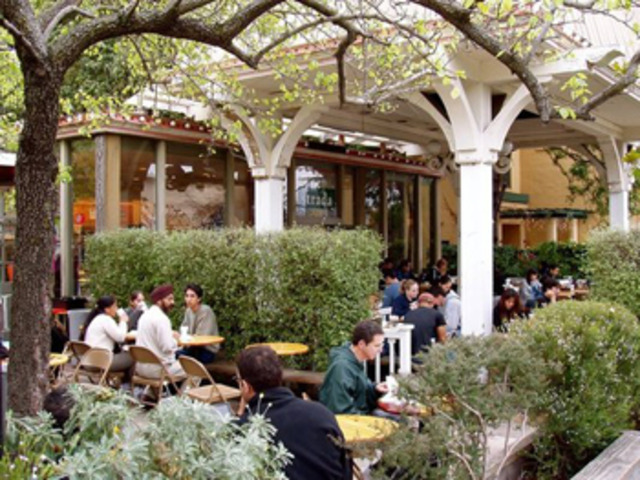
Photo of Caffe Strada c/o SFList

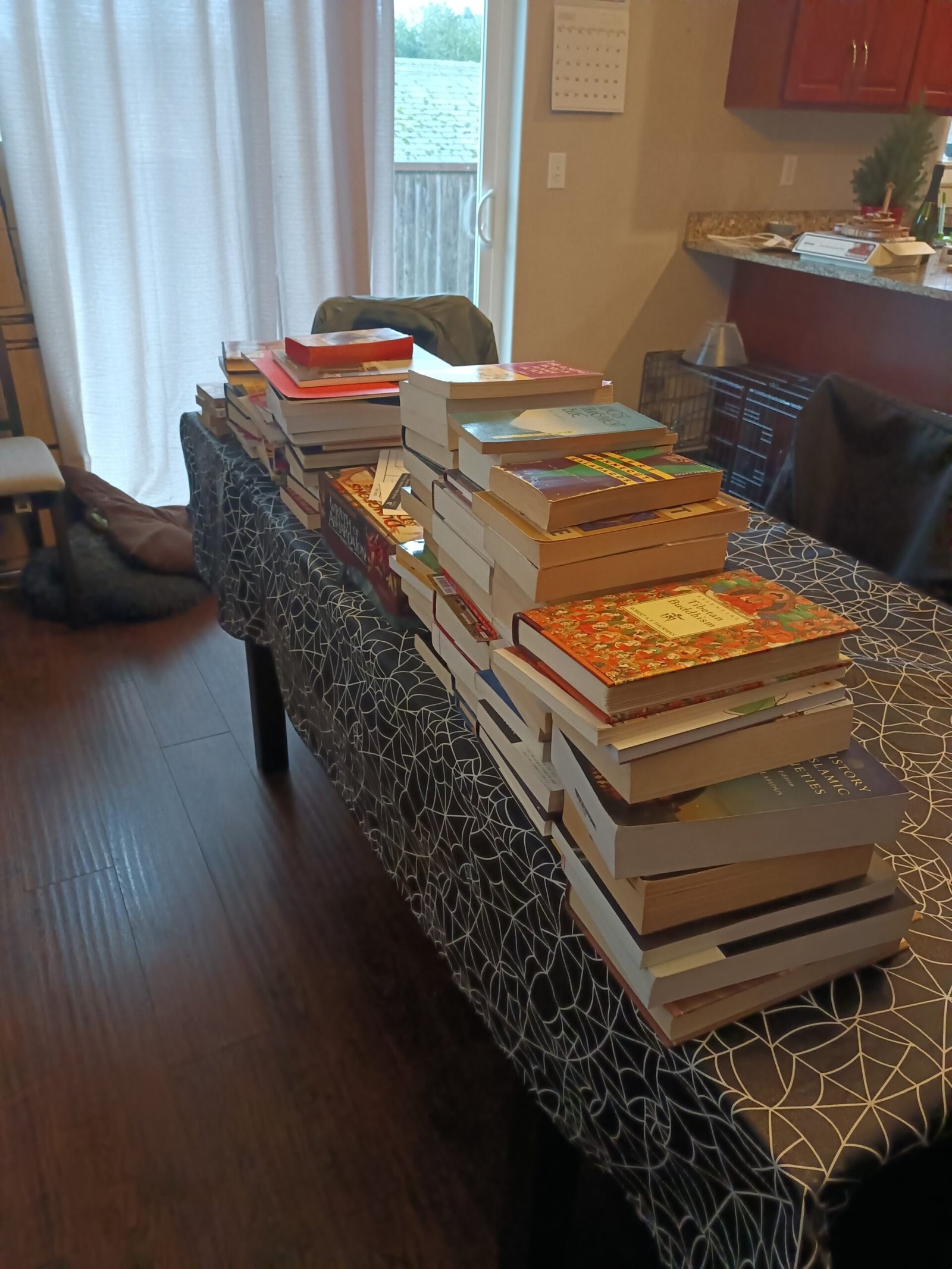
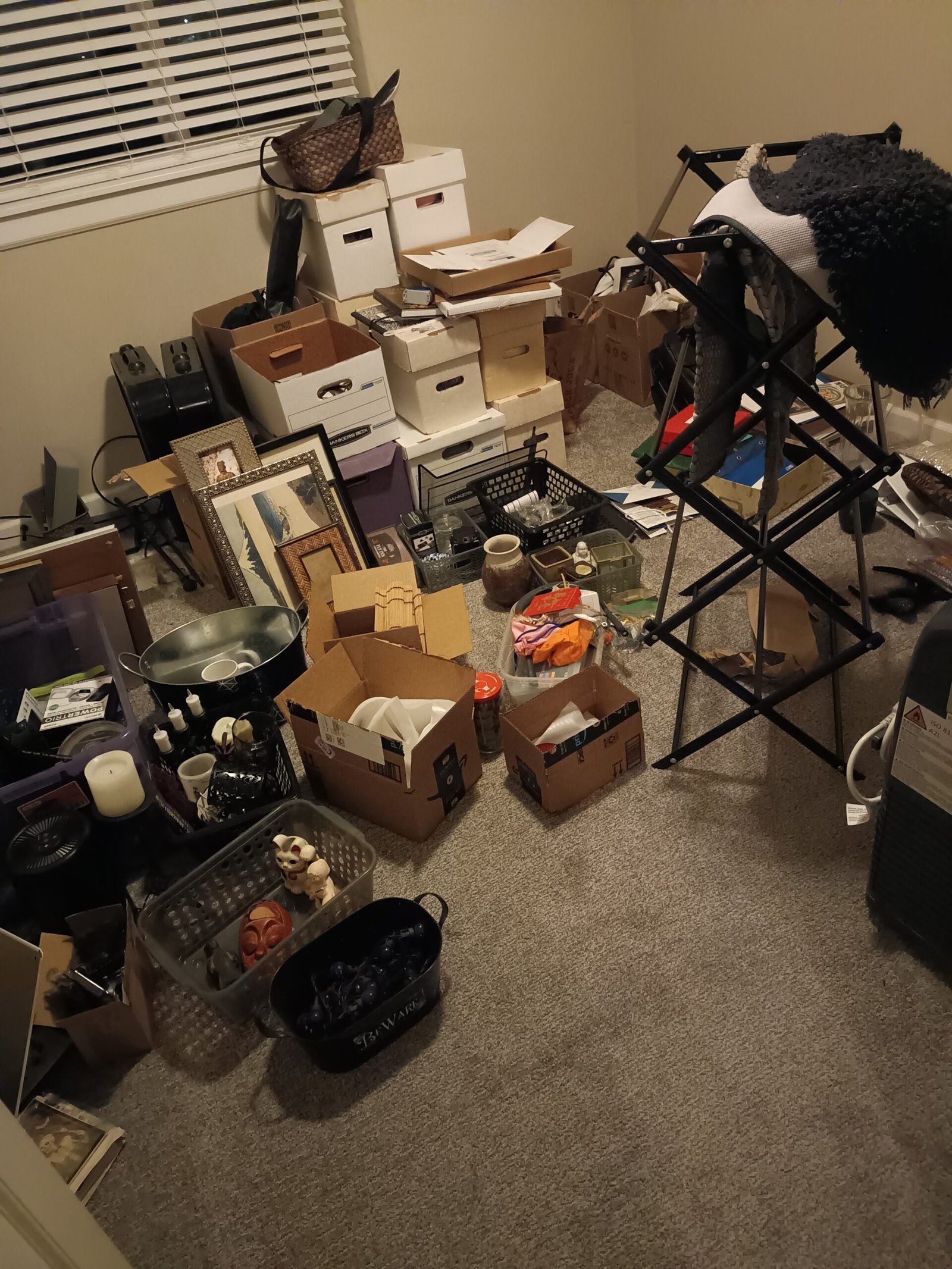
Rent prices, however, began to skyrocket in the mid‑’90s, pushing me out of state and by the early 00’s – eroding that vibrant, walkable life. Now, as we prepare for the move, we’re in the thick of downsizing: selling select books, décor, furniture, and other household items we don’t want to spend thousands to ship overseas. It’s a painstaking, slow process—listing everything on Facebook Marketplace, eBay, and Etsy right after the holiday rush feels like an endless chore. Still, I keep boxing up books, posting shelves, and hoping each listing finds a new home.

The minutiae can be overwhelming. I wish I had an easier system, and I’d love for my friends to swing by and buy from me directly. In the weeks leading up to our departure, we’ll host an estate sale, but it would be liberating to clear out as much as possible beforehand.

As tedious as this process is, I try to remember what it’s making room for: mornings that begin with a walk to the market, afternoons spent lingering in cafés, and evenings shaped more by curiosity than exhaustion. Letting go of these objects is the price of reclaiming that rhythm. If I’m patient—and a little ruthless with my belongings—I might finally step back into the kind of everyday life that first taught me how to wander, observe, and create.

Reflections on “The Booksellers”

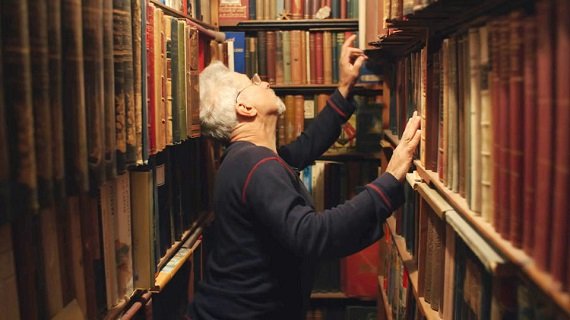
Watching the documentary ‘The Booksellers’, ironically on Amazon Prime. So many mixed feelings. It’s about Rare/Antiquarian bookselling, and an honest one at that. (Spoilers below)…


It’s about in part, how independent booksellers are on the decline due to the Barnes and Nobles of the world, online bookselling, and electronic books. I had to pause however, when they talked with an author who had donated all their notes and papers to a library archive. They mused about how in the future we may not be able to learn about a writer’s process because so much now is on the computer, using editing software. This is all enormously true, but it’s still a privilaged assumption. Not all writers find a home for their papers.

At this point in the documentary I found myself getting a bit upset. They did not address the fact not all writers, published writers, get to have a museum, library or archive accept their archives. It’s not a guarantee. There’s a sales pitch and research involved, shopping these collections around and negotiating. This is a lot of labor that families of deceased writers often can’t manage correctly or thoroughly.

Unless you’re a big name in literature, many places also may not have space or available funding to take in your dozens or hundreds of boxes and boxes of papers, book and ephemera, organize and properly archive. I’ve seen entire collections of underfunded ‘photo morgues’ gathering dust in basements of spare buildings next to archive centers; it was appalling.

There needs to be a network or ‘marketplace’ if you will, for families of writers who are wanting to find a scholarly archive to send their loved one’s papers to. People don’t understand how difficult it is and how discouraging it can be to hear rejections from the one or two libraries or museums closest to them. To know that there could be students that want to study the papers of their writer is worth so much. They just want to find a proper home for these things.

After this scene I watched others of used bookstores going out of business selling tons of books for 75% off, and other scenes of homes with walls liteally crumbling, the books covered in dust and book buyers going through wearing face masks. I found my blood pressure rising and I had to take a break.

Books as well as one’s writings and notes, all become responsibilities. Where will they go after you pass? Will someone appreciate them or will they be thrown away or sold for $1?

In contrast, the show starts off with a famous Rare Book Fair in NY where everything is behind glass on white, lit shelves….books selling for more than the price of a mortgage. After the aforementioned scenes, I found these auctions almost obscene.

I used to work as a bookbuyer and bookseller in a prior life, before graduate school, about 23 years ago. I loved it, it was one of my favorite jobs outside of working in quiet cafes by myself. But I don’t think I could handle the extremes shown in this documentary. These are people taking enormous risks; they are hooked, obsessed, many like adrenaline junkies. Others seem resigned, depressed, hemmed in by walls of books they seem unable to sell.

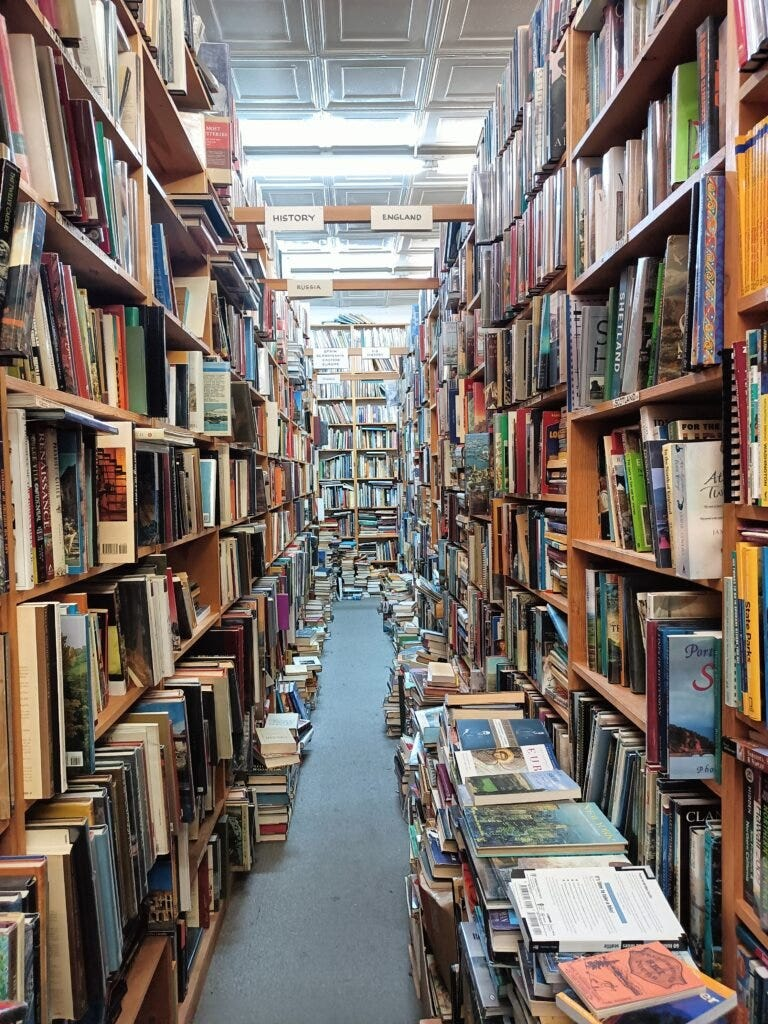
I do love the serendipity of going through a used bookstore however, discovering something I didn’t know I “needed.” But I have my limits; I know when to walk away. But not everyone can or should; these books need buyers, they need collectors, they need stewards. I will continue to watch the rest of the documentary, but wow….so many feelings.

Update: ok, I finished the documentary and I am glad that I did. The second half is more optimistic, especially as they interview younger booksellers. I may even watch it again to make a note of all the bookseller’s names to research them more.

In a forward looking sense, for the industry, I know there is a generation of rare books, small press and DIY magazines from the 60’s through to the early-mid 90’s containing interviews and content that were never digitized. They touch on this in a couple parts in the second half and it’s very important historically and is of interest to the younger generation.

On another personal note, I kick myself for never purchasing a couple magazines from 1989 or 1990 containing extraordinary interviews with Carl McCoy of Fields of the Nephalim or Perry Farrell of Jane’s Addiction. I’ve never been able to find them again. I was about 18, didn’t want to spring for a $5 or $8 UK magazine and I just read them in the magazine/news shop or in the basement of Moe’s Bookstore in Berkeley. But, my vague memories of those interviews still haunt me because they were visionary in a number of ways.

I still retain boxes of important ‘zine’s, magazines, shelves of 80’s/90’s subcultural books and (now outdated) critical theory, as well as many independent comics that I have no interest in selling because the demand is not yet there. I do believe this era will be the next frontier to unearth, the 60’s to 90’s, because so much has not yet been digitized.

The documentary also touched on how difficult it is to retrieve born-digital content from old files or drives from even 7 years ago, whereas paper books can last centuries. This is something that has always bothered me. There will be a huge period of time from 1996 to the present where information will go missing from history due to bit rot and outdated formats. Yes, there is the Internet Archive, and some repositories migrate regularly, but the rare stuff, stuff that was digitally stored but not backed up online on websites and archived? I worry about this. There need to be curators and custodians and archivists of all of these things, who will structure, define and identify the cultural value, not just what was popular or commercial.

Rare/antiquarian booksellers consider themselves hunters, perhaps we will see specialists in rare/antiquarian digital content. Perhaps this is in part why I delved into digital librarianship, digital preservation, metadata, and linked data. One day I hope to participate in bridging these worlds, preserving the forgotten histories and voices, because as I wrote in an earlier piece, aluding to Roy Batty’s words in Bladerunner, I don’t want the last 40-50 years to become “lost like tears in the rain.”