Leaving the Rat Race: Our Choice of Albania

After a month living in Albania, we share why we chose this overlooked European country—from visa flexibility and affordability to ethical concerns about gentrification. A realistic guide for digital nomads considering the Balkans.

We’ve been in Albania for almost a month. While I’ve written about the move and our initial landing, I haven’t been clear about why Albania—and specifically, this small mountain city where we’re putting down roots.
I was initially coy about our destination, but now we’re here. We’re working to secure an apartment this week. I’ve shared some of our goals: a slower, more affordable, walkable way of life. But what led us to this particular country?

Practical Benefits

Albania affords Americans one year visa-free—a significant benefit. It gives travelers the chance to explore and see what suits them before rushing into residency requirements. For others, leaving the country for three months resets this clock—a maneuver commonly called the “Schengen Shuffle.”

Why Albania Specifically?

Beyond logistics, several factors drew us to this small Mediterranean nation:

Climate and Geography
Albania offers diverse climates and landscapes. Coastal cities like Sarandë or Vlorë attract visitors seeking the Albanian Riviera. Others prefer the vibrant capital, Tiranë, with its clash of modern experimental architecture, older brutalist buildings, and colonial government structures—complete with lively nightlife and excellent restaurants.

Quieter mountain cities like Shkodër or Pogradec offer access to large Balkan lakes. Then there’s Korçë—the wintery cultural hub described as Albania’s “Little Paris,” where the French maintained influence in the early 20th century, leaving their mark on the architecture, tree-lined roadways, and cobblestone alleys. Korçë’s climate is cooler and drier; it snows in winter.
Food Culture
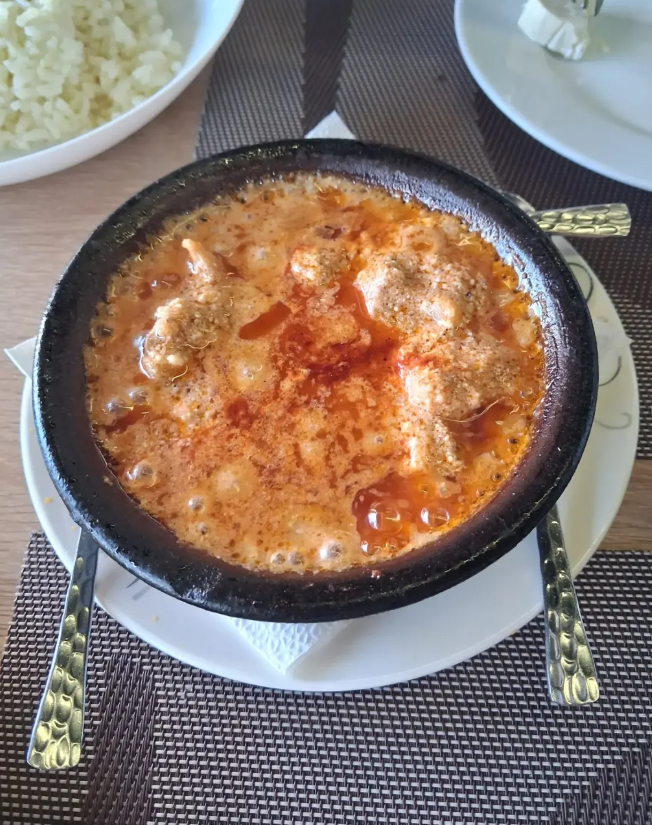
The cuisine blends Mediterranean and Balkan flavors—olives, pizza, pasta, grilled and stewed meats, peppers—all fresh, local, and tasting as nature intended. Eating vegetables, fruits, and cheese that taste whole and full of flavor has been revelatory compared to what we’d become accustomed to in the U.S., where food is often optimized for aesthetics and scale over nutrition and taste.
Affordability
This was perhaps our biggest draw. We can afford to pause from the rat race, work on creative hobbies, online businesses, and studies without fearing foreclosure, eviction, or living in our cars. Housing, medical care, and food costs in the U.S. have escalated precisely as companies have laid off thousands and contracted hiring.

An Ethical Note

It’s important for anyone considering Albania to know: wages here run $500–$1,000/month. You need to bring the means to support yourself while remaining gentle toward the local economy. This isn’t a place to move with Western wages and then spend four times the local amount on rent or tips—that behavior drastically alters local economies.

We’ve seen this happen in Spain and Portugal, where locals have pushed back against gentrification by foreign investors, Airbnbers, and affluent tourists. As someone who had to leave my home state of California due to these forces, and who watched Austin, TX and Seattle, WA shift under unrestrained tech economies—I support their demands. I’m proud of those in Spain who pushed for rental protections when an 87-year-old faced eviction due to developer pressure. I don’t want that dynamic in Albania.
Living Lightly

I believe it’s important to pay what locals would pay for an apartment. It’s crucial to support small, local cafes and restaurants—not with loud American fanfare and large tips, but with personable, regular service. These cities want business and investment; they’re recovering from a tenuous past when many young people left to send money home.

But we shouldn’t arrive and recreate the situation many older Americans face today—being priced out, unable to afford medication or food. There needs to be balance and regulation. Those traveling must remain sensitive to the impact of their footprint.
Finding a Walkable Life Abroad: Swapping Hustle for Slow‑Living Streets

I wasn’t sure I was ready to write about this yet, but because this blog is part art journal, part travel diary, it feels like the right place to begin.

Later this year we may relocate to a more affordable country—a move that will give us space to pursue our creative projects, wander freely, and step away from the relentless grind of American hustle culture. I’m dreaming of a place where I can stroll to bustling produce markets, bakeries, and cheese shops, then settle into a café for hours—reading, writing, people-watching—without worrying about the cost of living.

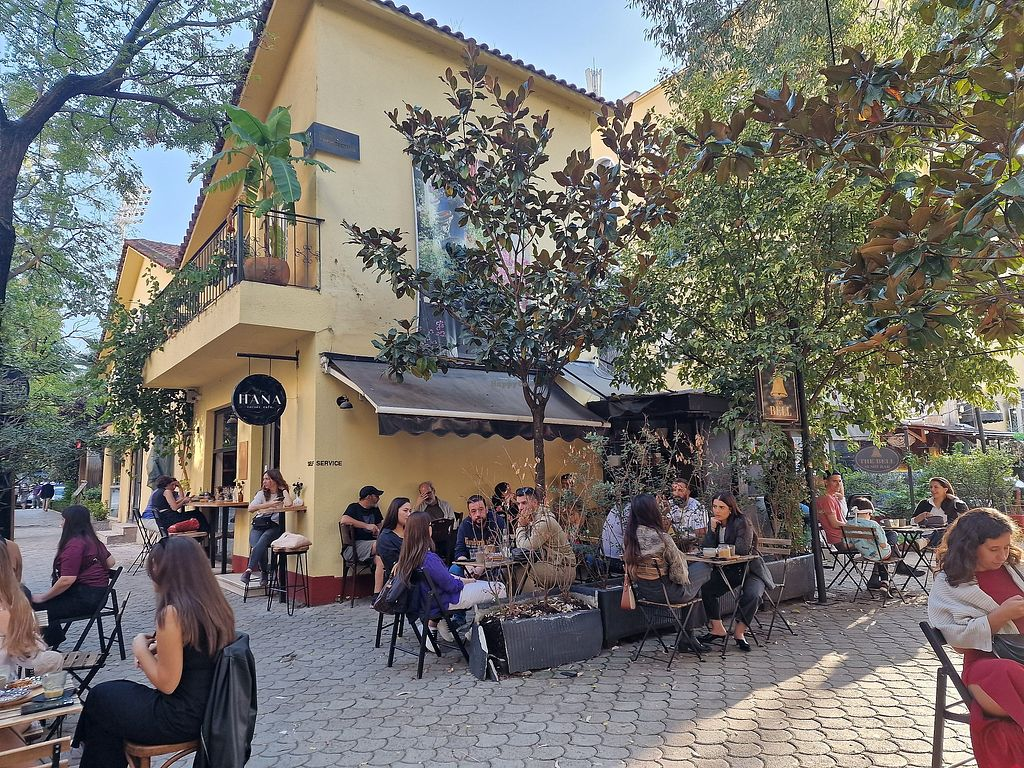
Photo of Hana Cafe, Tirane, Albania – c/o Happy Cow.net

For me, this is a return to a lifestyle I’ve missed since leaving my hometown of Berkeley. Back in the ’80s, as a teenager, I roamed the city on foot, passing historic buildings, overgrown Mediterranean‑style gardens, and fruit‑laden trees. I spent endless afternoons in cafés, browsing independent bookstores and record shops, grabbing fresh meals at inexpensive local eateries, and catching foreign films at local art theatres. These moments became the cornerstones of a lifestyle I hoped to carry with me as I grew older. Looking back, I realize that what I loved most about those years wasn’t just the city itself, but the freedom of a daily life shaped by proximity, serendipity, and time—the same values drawing me toward walkable living abroad now.

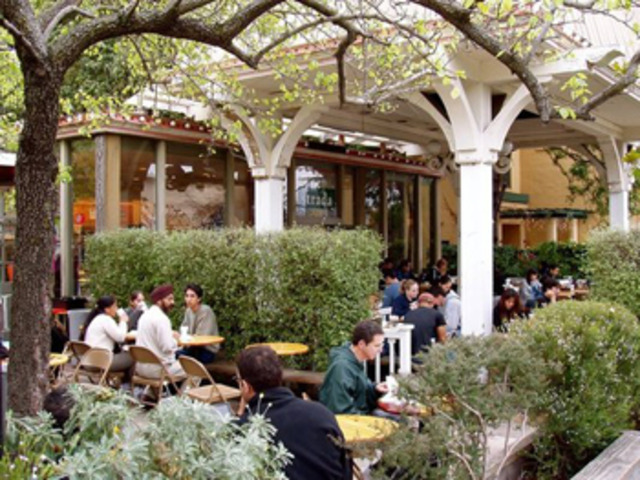
Photo of Caffe Strada c/o SFList

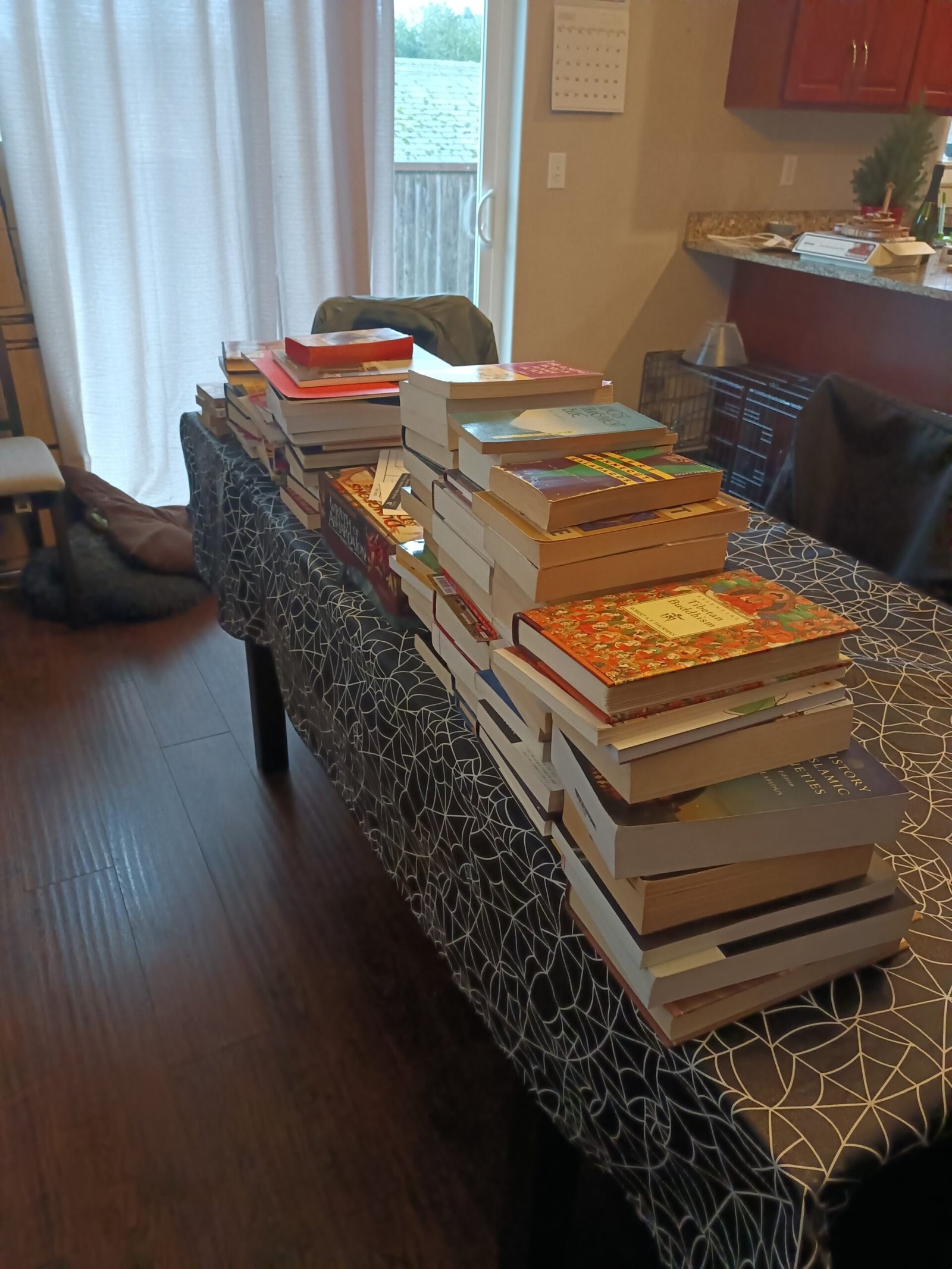
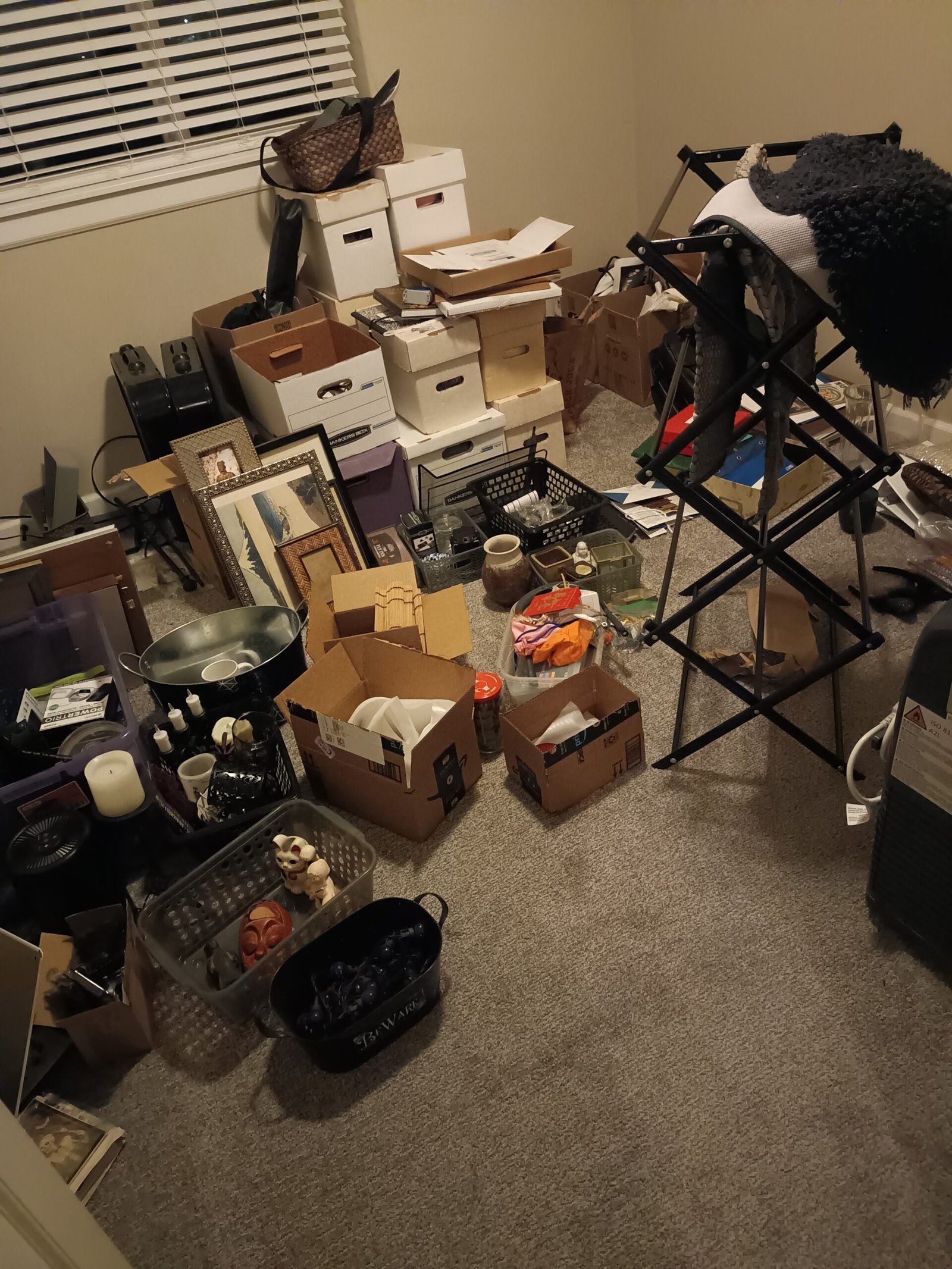
Rent prices, however, began to skyrocket in the mid‑’90s, pushing me out of state and by the early 00’s – eroding that vibrant, walkable life. Now, as we prepare for the move, we’re in the thick of downsizing: selling select books, décor, furniture, and other household items we don’t want to spend thousands to ship overseas. It’s a painstaking, slow process—listing everything on Facebook Marketplace, eBay, and Etsy right after the holiday rush feels like an endless chore. Still, I keep boxing up books, posting shelves, and hoping each listing finds a new home.

The minutiae can be overwhelming. I wish I had an easier system, and I’d love for my friends to swing by and buy from me directly. In the weeks leading up to our departure, we’ll host an estate sale, but it would be liberating to clear out as much as possible beforehand.

As tedious as this process is, I try to remember what it’s making room for: mornings that begin with a walk to the market, afternoons spent lingering in cafés, and evenings shaped more by curiosity than exhaustion. Letting go of these objects is the price of reclaiming that rhythm. If I’m patient—and a little ruthless with my belongings—I might finally step back into the kind of everyday life that first taught me how to wander, observe, and create.

2020: Coming up for air, albeit with a mask

It’s been a year since my last post and there were many reasons for that. First was work, developing taxonomies and controlled vocabularies for machine learning related projects. Then Covid happened, so I couldn’t go out to museums and galleries. Then I had to become a learning coach for my teen who is taking multiple AP classes online. Add to this ongoing efforts to stay current on technology and knowledge management by taking webinars, reading books, and going to virtual conferences. On top of all that, the hot mess that was American politics. It is Dec. 1st and I have finally come up for air – albeit with a mask.

I will do my best to re-cap and document the beta launch of Austin’s EAST online studio tour in a second post. It happened a couple weekends ago and unfortunately overlapped with an online conference so I was not able to attend in real time, but I will do my best to document for posterity.

After this I will try something new. All this time I have been tracking and posting links on Twitter for a variety of topics: online museum resources, digital humanities, digital preservation, open access courses, ethical AI, Asian visual culture and literature, taxonomy, ontology, linked data, and more. I’d like to attempt once a week to compile and curate these into newsletter type posts.

Once a month I will do my best to safely find a way to go out and look at art and review it. I will perhaps also make a post once a month looking at what local exhibitions are currently open for view and will share safety notes and tips, as well as share what online resources are available for those wanting to stay at home.

I will also work toward making occassional posts promoting resources and options for those wanting to live a more eco, sustainable, plastic-free lifestyle as that is top of mind as well.

I’d like to also share and promote local, small businesses in featured posts, pulling in photos from my Instagram account.

2021 will begin in just one more month – and I am feeling very hopeful that we will get past all this.

Art|Tech|Eco|Culture

2019 EAST Studio Tour – Canopy

The first Saturday of EAST this year enjoyed spectacular weather, sunny, crisp and for a change, no rain.

Local Japanese Cafe

Be forwarned, if you are coming to EAST very hungry, it may be worth grabbing a bite beforehand, because the lines and wait at Sa-ten were long. The offerings are always unique (I had the Sriracha Mayo Smoked Salmon on Toast), however it took 40 minutes. I did enjoy a nice cup of Lavender Earl Grey while waiting. 

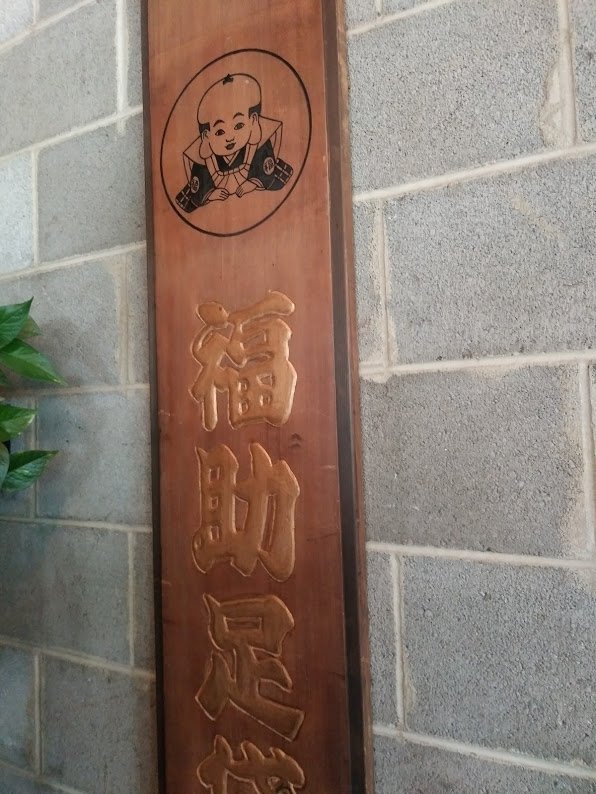
Japanese decorative wooden plack Art piece of a aquarium inside a vintage TV set Salmon toast with lavendar earl grey tea Sa-ten tshirt with katakana script

Sa-ten also offers a grab and go station out front serving baked goods and coffee from a carafe. There are also some trailers offering hot dogs, gelato and tacos, and these did not appear to have long waits. Alcoholic drinks are also available at Canopy for sale (and if you’re lucky some of the art studios may offer wine and/or snacks).

Shop unique used books

I was happy to run into Travis Kent of the late Farewell Books. He is setting up shop at EAST, selling a variety of books from Foucault to Anaiis Nin to Burroughs. If you were a fan of their old store (or an older fan of the late Fringeware or Desert/Europa books), you would recognize many of the critical theory or postmodern classics. I picked up Minima Moralia by Theodore Adorno, Invisible Cities by Italo Calvino, and a book on Wim Wenders. Travis tells me that he operates these pop-up bookstores around town from time to time, at art and music festivals. Sometimes he takes them to punk shows, and while the kids don’t often buy much he enjoys talking to them and broadening their minds with the works of intellectual proto-punks.

Canopy Art Gallery

Armed with new reading material I then went to check out the art. I collected the EAST art guide, donated $5 and started wandering the studios. 

Caroline Walker

Caroline Walker’s art has the fanciful quality of children’s storybook illustration. It invites you to imagine you are climbing ladders toward some magical summit or hiding out in secret caves.  

Caroline Walker
 

Gert Johan Macschot from the Netherlands now lives in Dripping Springs. His work evokes both Zen painting and Abstract Expressionism. 

Gert Johan Manschot


Gert Johan Manschot

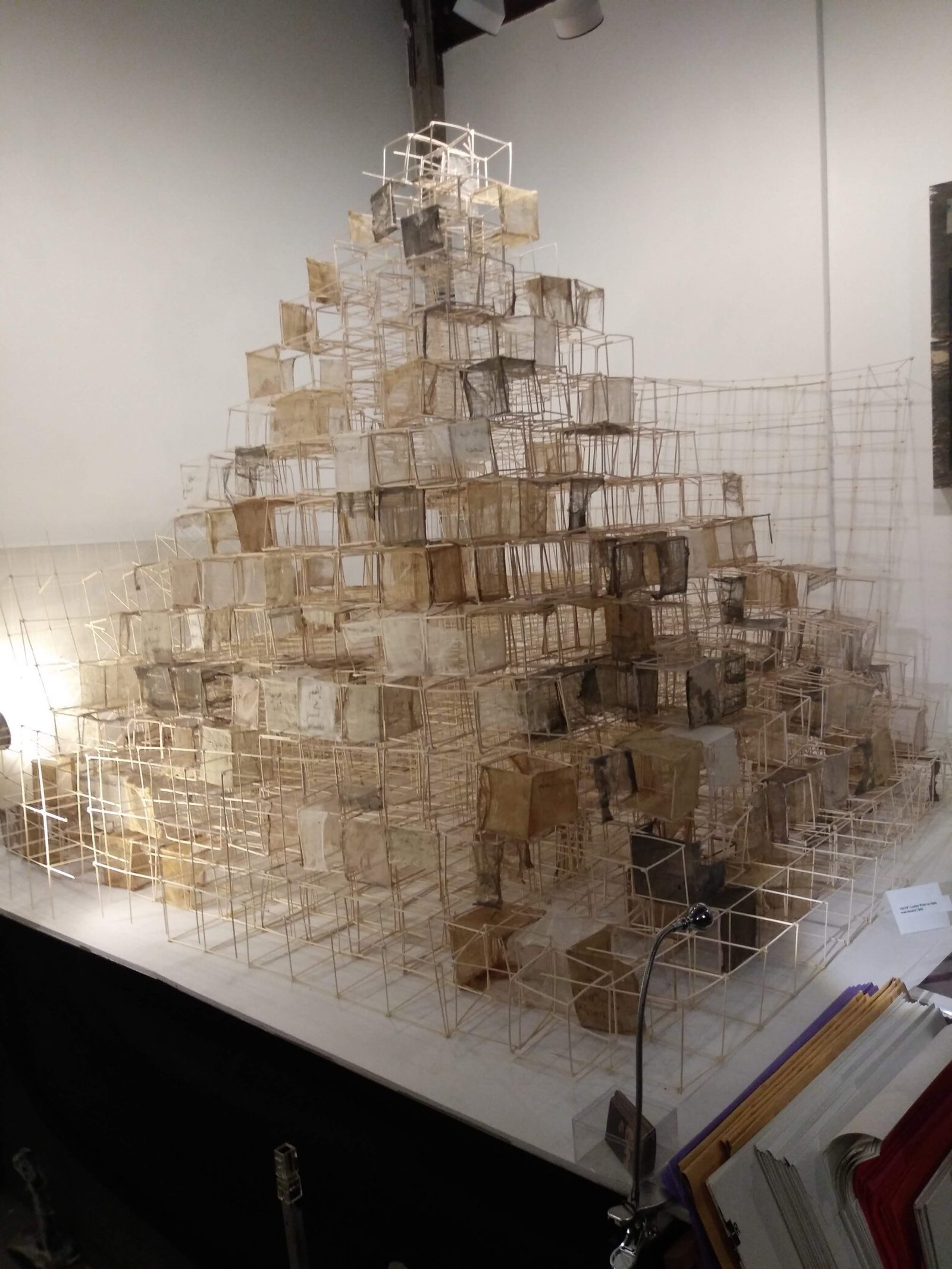
One of my favorite artists from this weekend was Rehab El Sadek. Originally from Egypt, she is a conceptual artist who works on themes of space, architecture and social issues. I found her work to be immersive, glowing with earthy and time-worn textures. 

Rehab El Sadek


Rehab El Sadek


Rehab El Sadek

Today is the last day of the EAST Austin Studio tour – please check it out and support our local artists and businesses.