Finding the Past in Paper and Pixels

Decades of archives, burnout, and ditching online noise to pursue offline creativity, travel, and a slower, intentional life abroad.

While packing for our move, I dug through boxes that span back to high school—friend‑written stories, doodles, poetry, slang lists, and word‑play games. I also uncovered every college paper, notebook, and printed email chain from the late‑‘90s through the birth of my son and the completion of my first master’s degree, along with articles, notes, old résumés, and CVs. After the mid‑2000s, everything shifted to digital storage.

Looking at those old emails, sketches, and lists, I’m struck by two things: the passion and ambition that drove me, and the scatter‑shot nature of my attention. Many projects were left unfinished, books unread, ideas half‑formed.

In my thirties, when parenthood, a full‑time career, and a second graduate degree converged, burnout set in. Digital copies multiplied, but they came with no guarantees: hard drives failed, email providers changed with each job, platforms vanished, and search tools proved unreliable. Economic shifts forced priorities, and a lot of content slipped away, leaving some dreams deferred.

My forties were spent in tech, raising my son, paying off debt, and moving out of state. Burnout lingered, yet surrounded now by my late father’s notebooks, my own archives, and our library, I was reminded that there is more than enough to explore and immerse myself in—whether or not I pursued professional work for others. The abundance of material, both personal and inherited, offers endless possibilities, giving me a sense of purpose beyond employment.

That realization has also changed how I approach time. I’ve begun curbing the habit of “frittering” my hours online, endlessly consuming other people’s content. There’s a lingering belief that deep focus on reading, drawing, or studying makes me “unavailable” to my family—or that I’m merely “escaping” rather than being productive. That judgment feels almost Protestant‑era, reminiscent of the way Jane Austen’s characters are scrutinized for their choices.

For years, I equated online activity—social media posts, chats, data exchanges—with being “social” and “real.” I treated the digital realm as if it were as tangible as a café table or a sketchbook—its fleeting likes and comments offering instant, almost physical feedback, feeding my craving for connection and validation, even though all I was really producing was a paycheck for the platforms.

But it wasn’t just the lure of the screen; it was also the loss of a social ritual that had shaped my youth. After the turn of the millennium, cafés stopped feeling like true gathering places. Today, when I step into one, most people are glued to laptops or phones, each lost in their own online world.

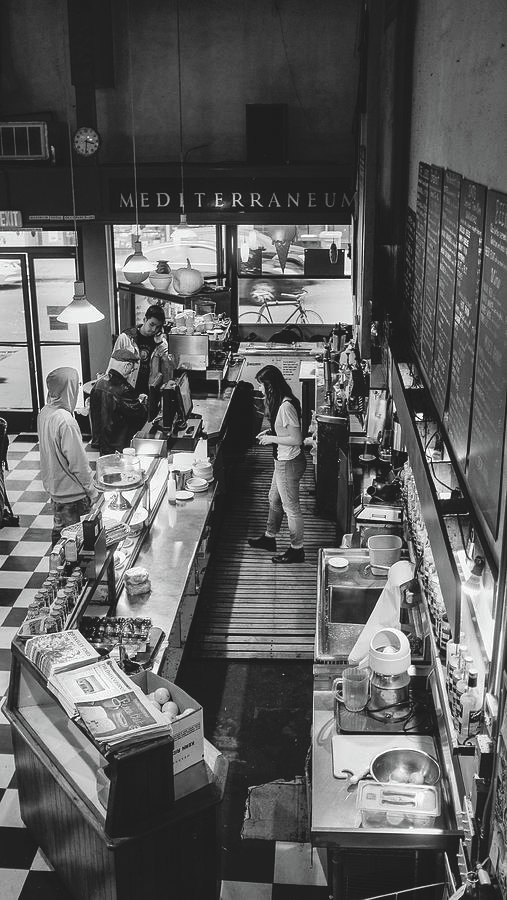
I miss the 1990s, when a trip to a café meant meeting friends, lingering over espresso, and talking for hours while the hum of the grinder provided a soundtrack. That café culture—the spontaneous conversation, the clink of cups, the shared silences—was a touchstone of my upbringing.

It’s exactly that experience I’m eager to rediscover when I move to Europe. My plan is simple: I’ll spend my days reading, writing, and making art in cafés. I’ll revisit my archives, travel, write about exhibitions and performances, and finally give those unfinished projects a chance to breathe. Surrounded by both my own work and the material I inherited, I know there will always be enough to keep me absorbed, on my own terms.

NOTES:

If you enjoy my writing here, you might also like some of my other projects:

  • 💡 I have a Patreon where I share extra writing, behind-the-scenes notes, and updates on creative projects. You can check it out here.
  • 📖 I recently self-published my MA thesis on Butoh, which is available here. If you’re curious about performance, embodiment, and cultural history, I’d love for you to read it.
  • 💸 Or, if you’d like to give a smaller one-time tip ($3), you can do so via Ko-fi [here]. Every bit of support helps and is greatly appreciated!

Finding a Walkable Life Abroad: Swapping Hustle for Slow‑Living Streets

I wasn’t sure I was ready to write about this yet, but because this blog is part art journal, part travel diary, it feels like the right place to begin.

Later this year we may relocate to a more affordable country—a move that will give us space to pursue our creative projects, wander freely, and step away from the relentless grind of American hustle culture. I’m dreaming of a place where I can stroll to bustling produce markets, bakeries, and cheese shops, then settle into a café for hours—reading, writing, people-watching—without worrying about the cost of living.

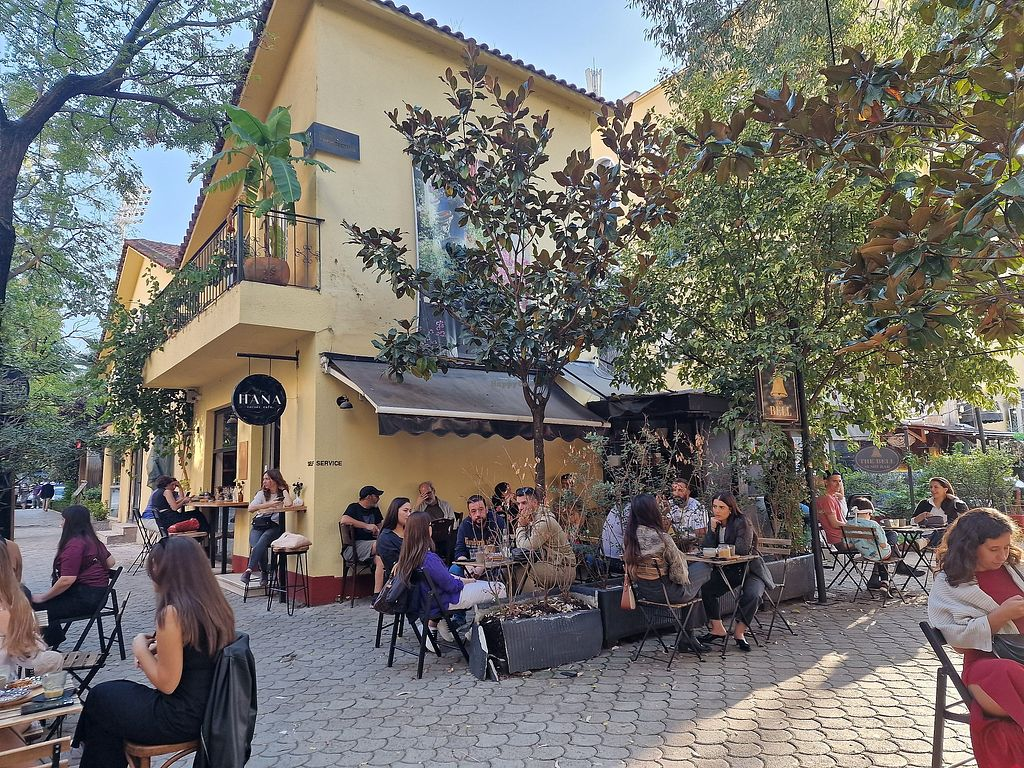
Photo of Hana Cafe, Tirane, Albania – c/o Happy Cow.net

For me, this is a return to a lifestyle I’ve missed since leaving my hometown of Berkeley. Back in the ’80s, as a teenager, I roamed the city on foot, passing historic buildings, overgrown Mediterranean‑style gardens, and fruit‑laden trees. I spent endless afternoons in cafés, browsing independent bookstores and record shops, grabbing fresh meals at inexpensive local eateries, and catching foreign films at local art theatres. These moments became the cornerstones of a lifestyle I hoped to carry with me as I grew older. Looking back, I realize that what I loved most about those years wasn’t just the city itself, but the freedom of a daily life shaped by proximity, serendipity, and time—the same values drawing me toward walkable living abroad now.

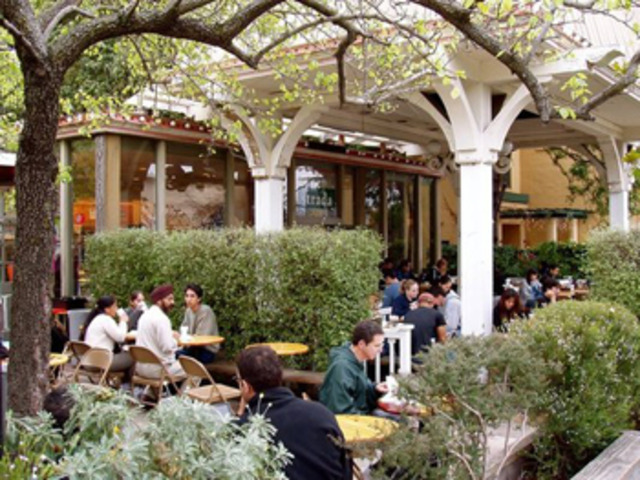
Photo of Caffe Strada c/o SFList

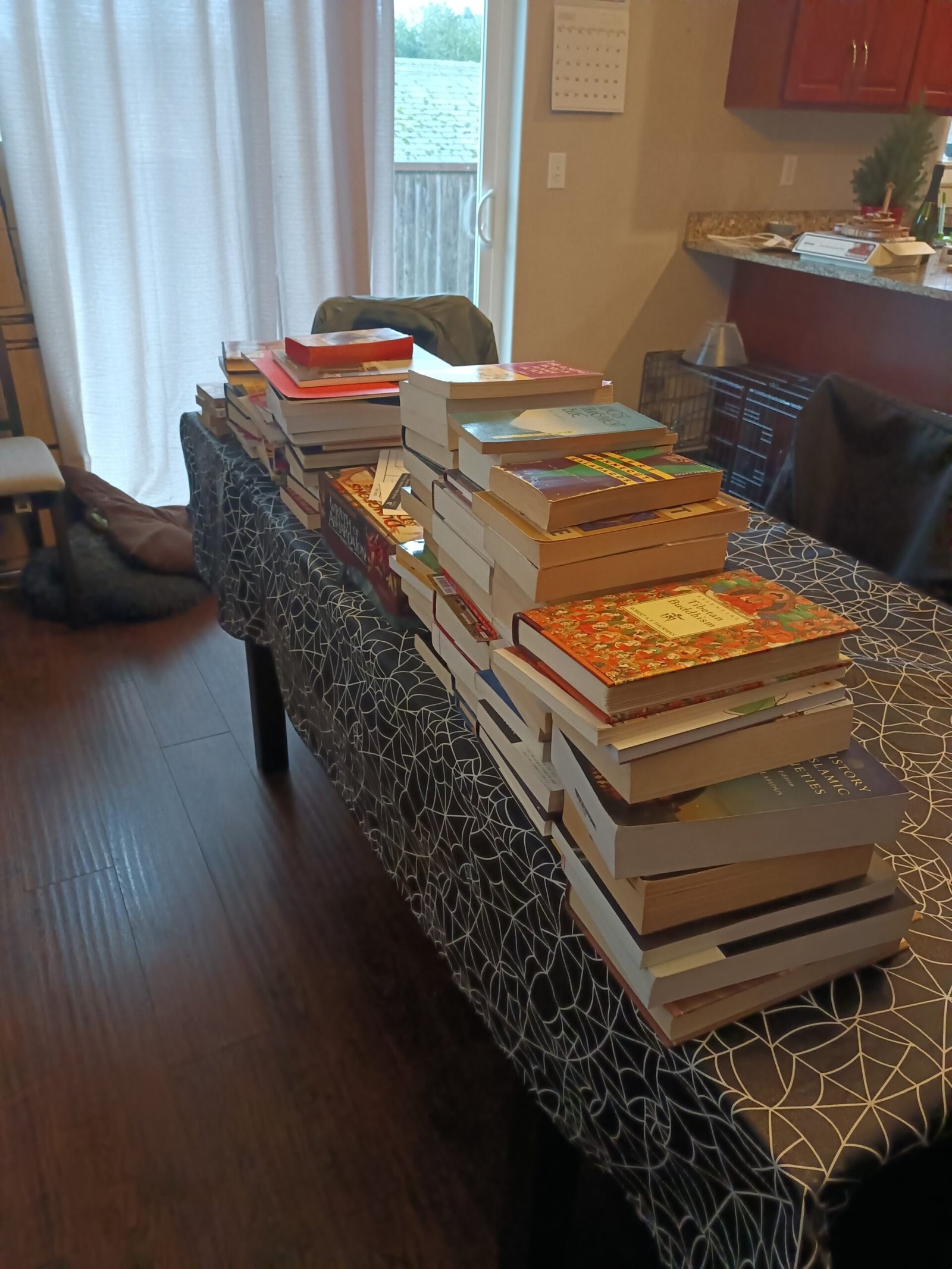
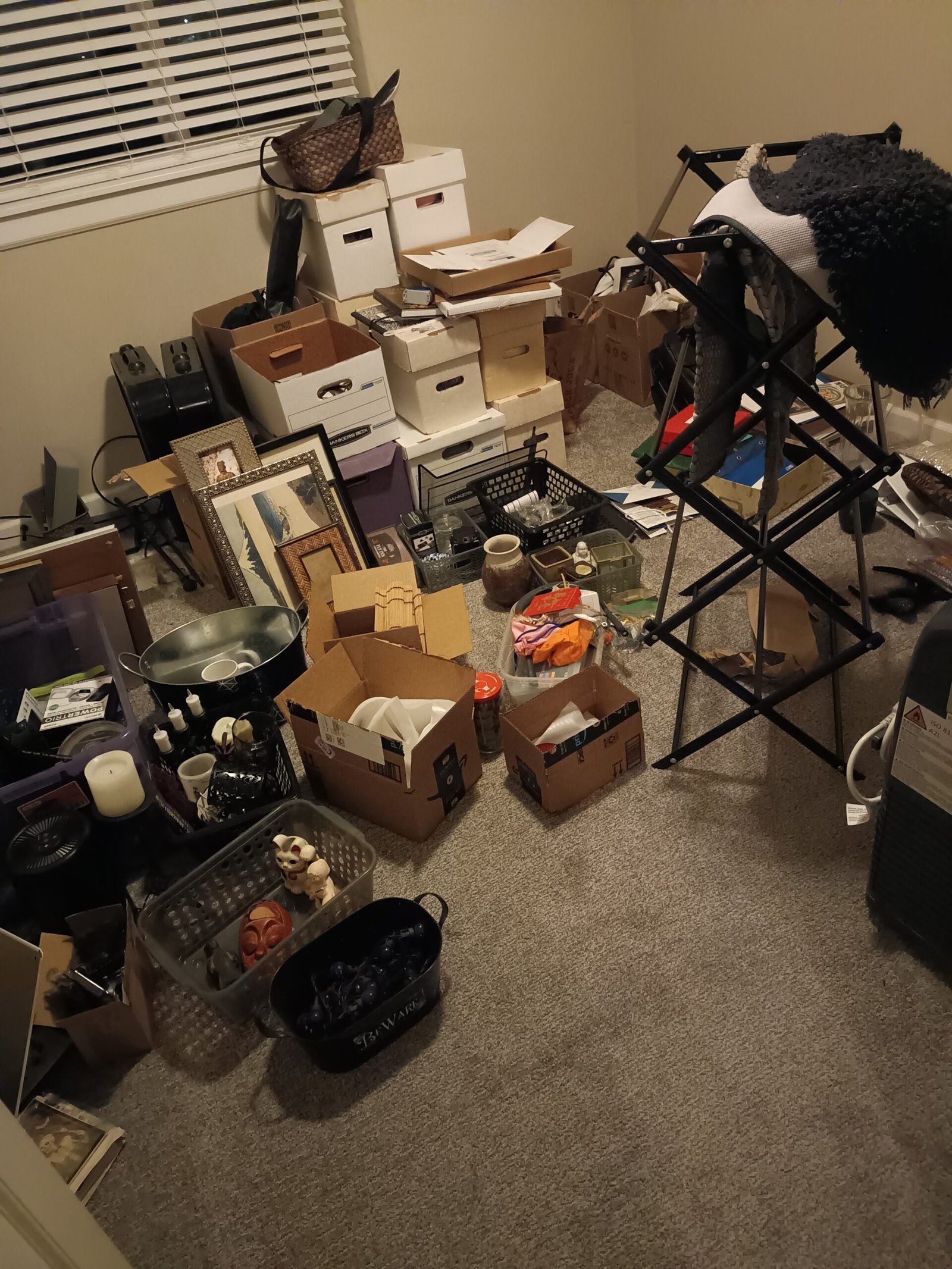
Rent prices, however, began to skyrocket in the mid‑’90s, pushing me out of state and by the early 00’s – eroding that vibrant, walkable life. Now, as we prepare for the move, we’re in the thick of downsizing: selling select books, décor, furniture, and other household items we don’t want to spend thousands to ship overseas. It’s a painstaking, slow process—listing everything on Facebook Marketplace, eBay, and Etsy right after the holiday rush feels like an endless chore. Still, I keep boxing up books, posting shelves, and hoping each listing finds a new home.

The minutiae can be overwhelming. I wish I had an easier system, and I’d love for my friends to swing by and buy from me directly. In the weeks leading up to our departure, we’ll host an estate sale, but it would be liberating to clear out as much as possible beforehand.

As tedious as this process is, I try to remember what it’s making room for: mornings that begin with a walk to the market, afternoons spent lingering in cafés, and evenings shaped more by curiosity than exhaustion. Letting go of these objects is the price of reclaiming that rhythm. If I’m patient—and a little ruthless with my belongings—I might finally step back into the kind of everyday life that first taught me how to wander, observe, and create.

Walker-Ames Haunted House tour – Port Gamble, WA

Ghosts by the Water

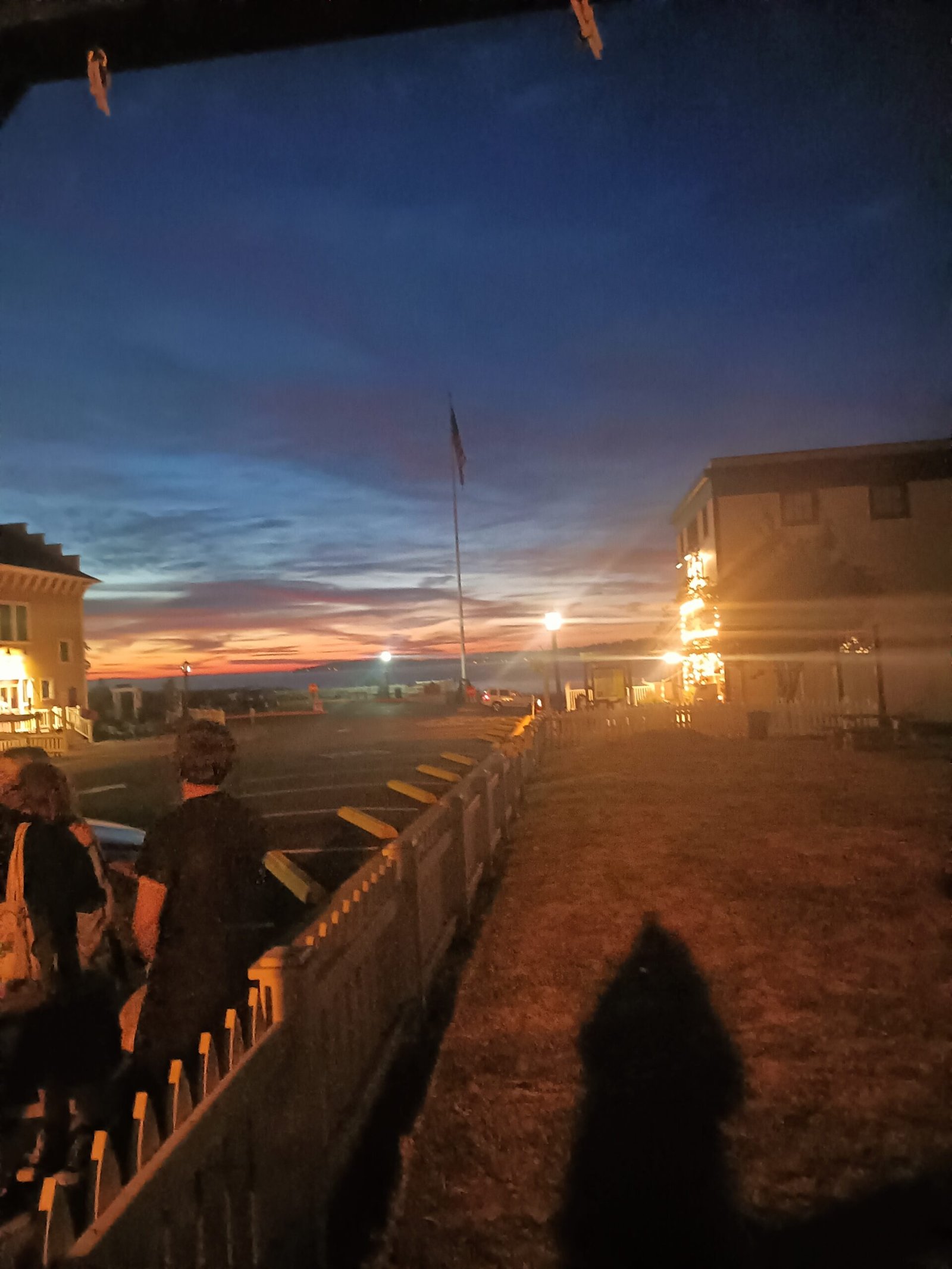
We were recently invited by our friend — fellow goth and Tacoma real estate agent Benni Sack — to tour a haunted house in Port Gamble. The small historic town, surrounded by the waters of the Sound and home to only about 834 residents, boasts a number of downtown buildings rumored to be haunted.

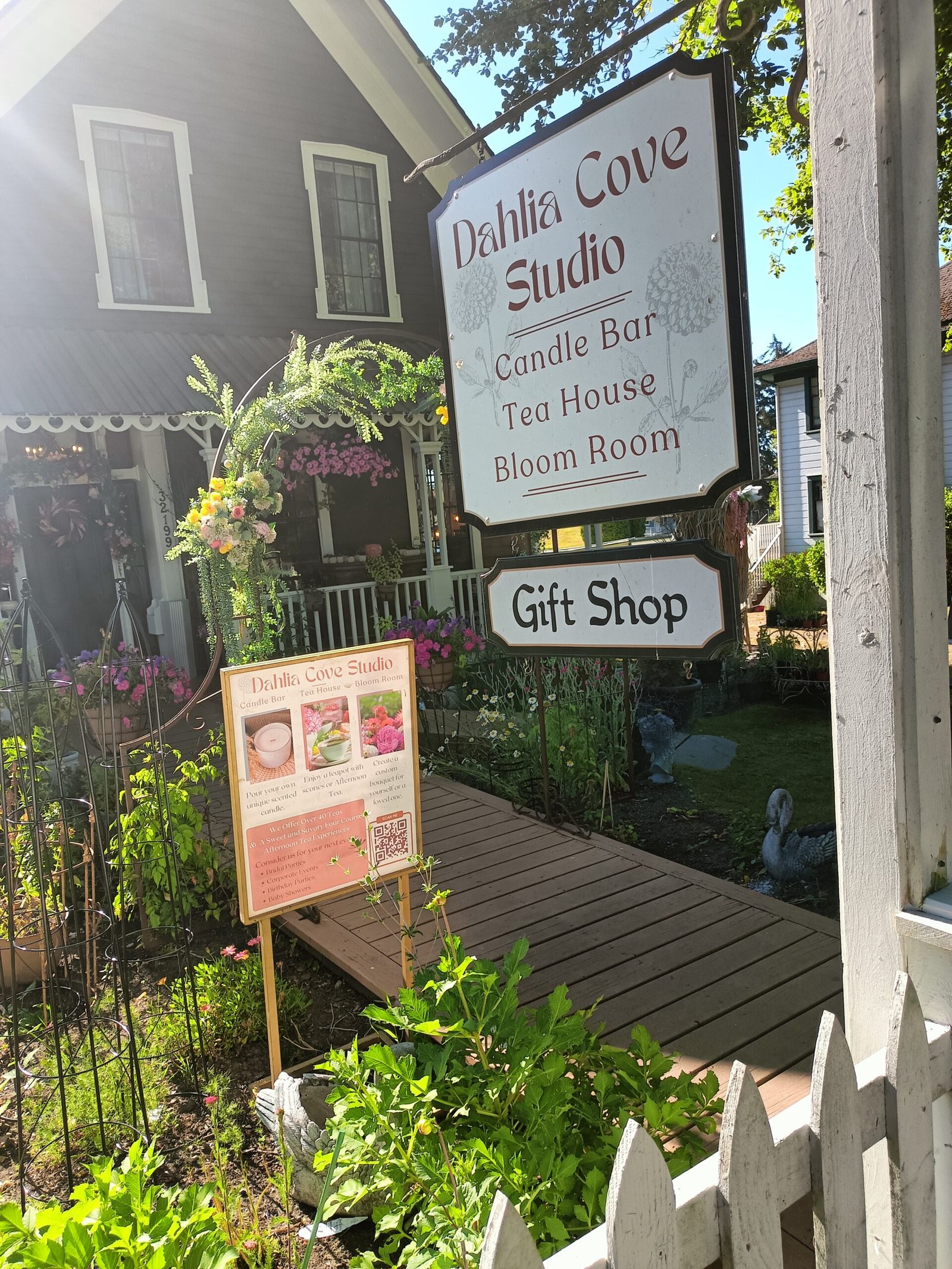
After visiting, I was convinced it was because of how lovely the place is. Port Gamble is an enchanted patch of land, wrapped in water and filled with old trees and character. The historic houses, now art galleries, craft shops, cafés, and restaurants, were so charming I couldn’t blame the spirits for wanting to linger. That was my impression during the daylight, at least.

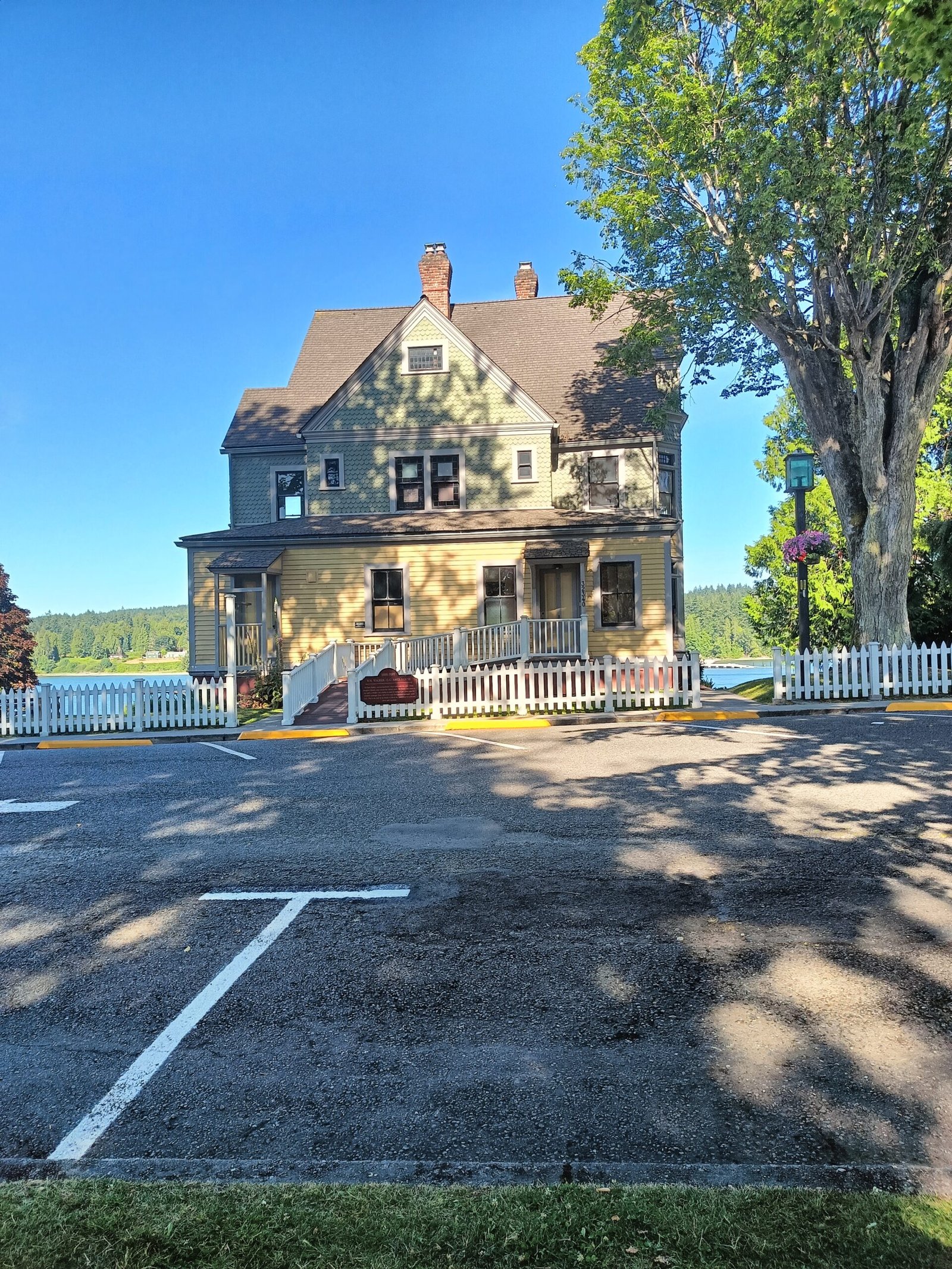
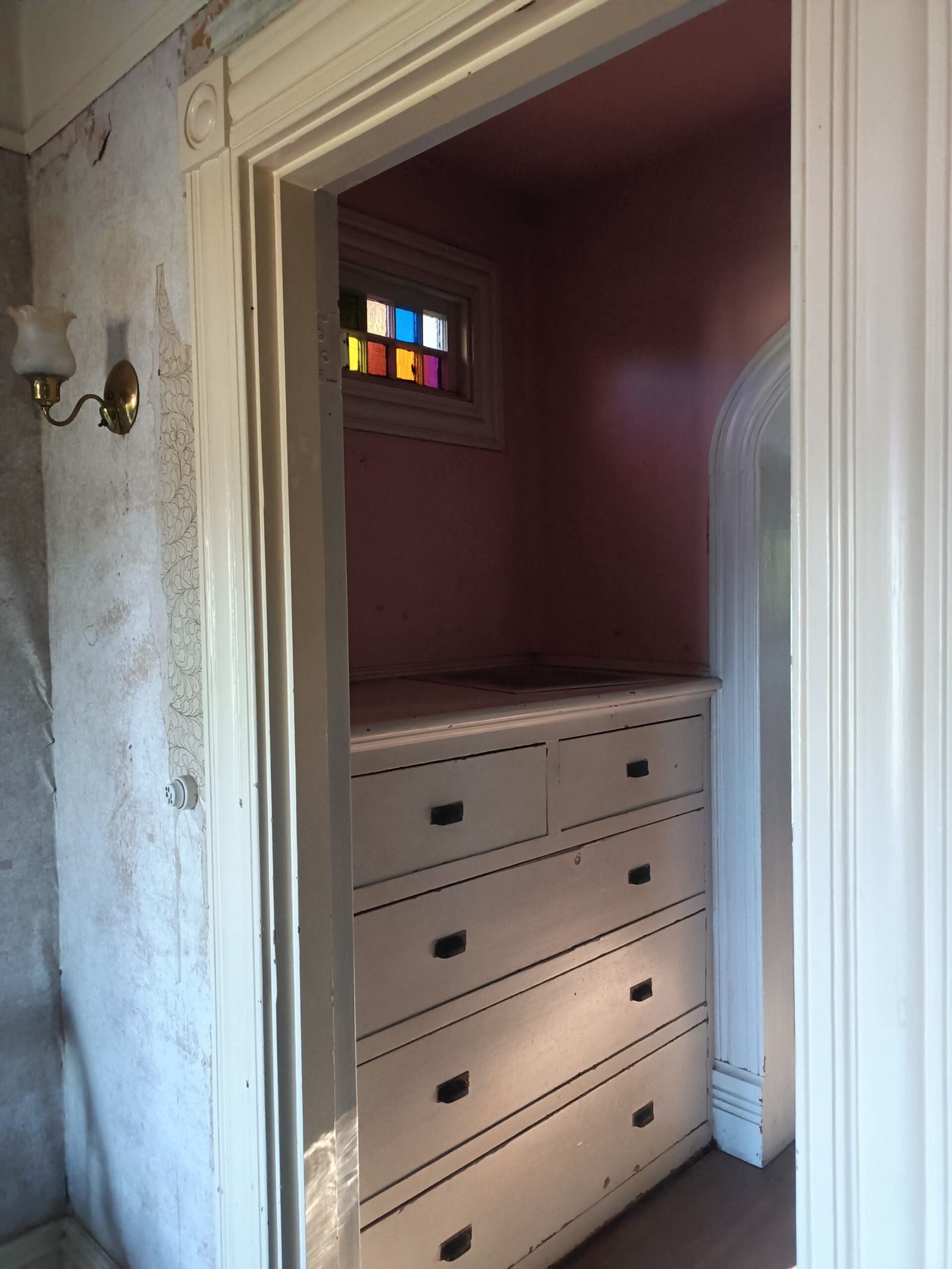
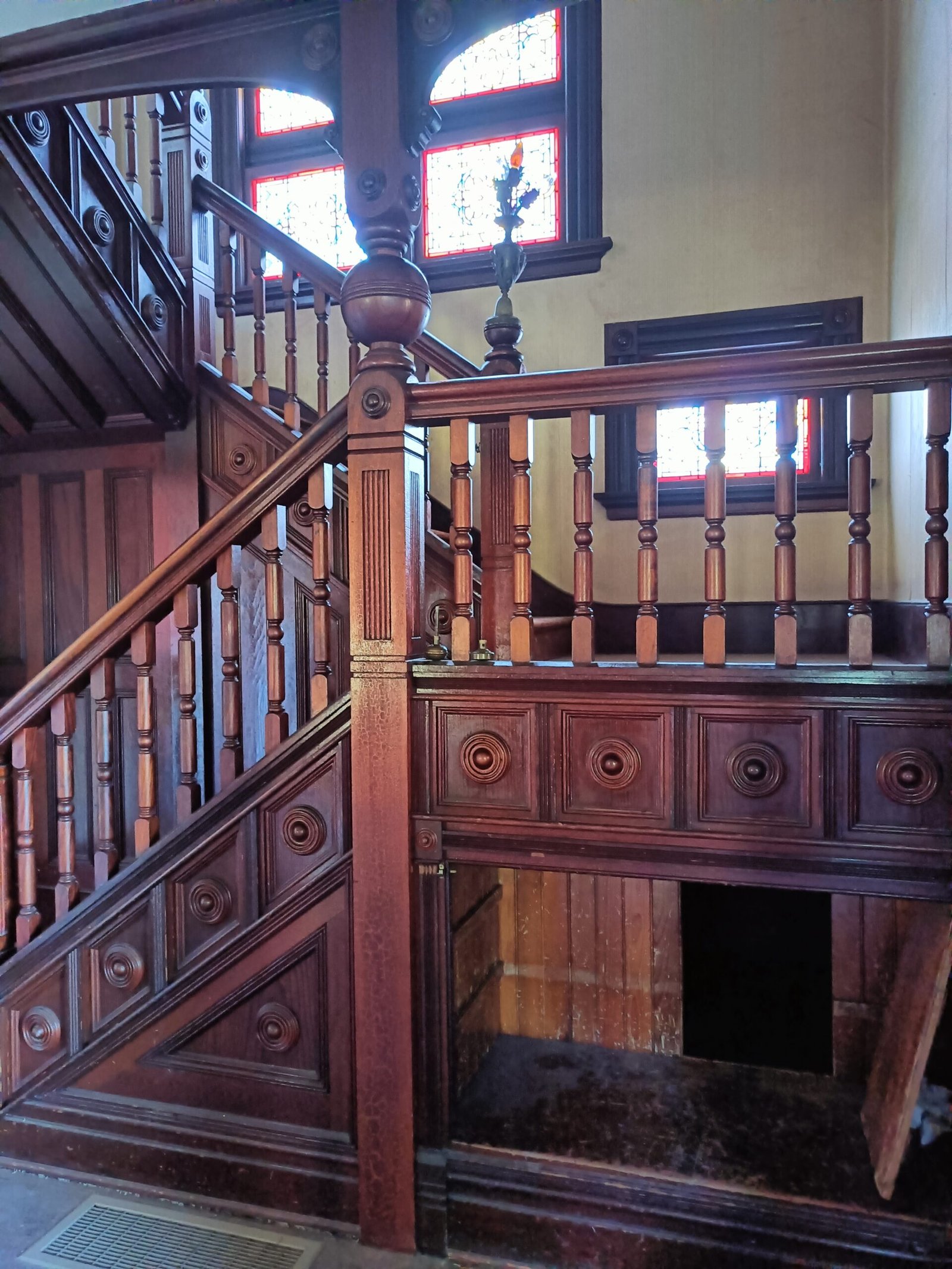
Our evening visit was to one of the area’s most haunted properties — the Walker-Ames House. Said to be home to a handful of family spirits, the property can be viewed by reservation. The ghosts are mostly benign, though sensitivities vary. For instance, I did not feel comfortable entering the basement, while others who did reported an unpleasant presence.

We were in good hands with our guide Paranormal Pete, who knows the resident spirits well. As we entered, we heard what sounded like playful children’s laughter echo through the hall. Some areas of the house are cordoned off as “ghost-only” spaces — a large upstairs closet, and the servants’ stairwell. Pete brought along an array of investigative tools for us to use, including EMF meters, dowsing rods, and a spirit box, which he later demonstrated to attempt communication with the unseen residents.

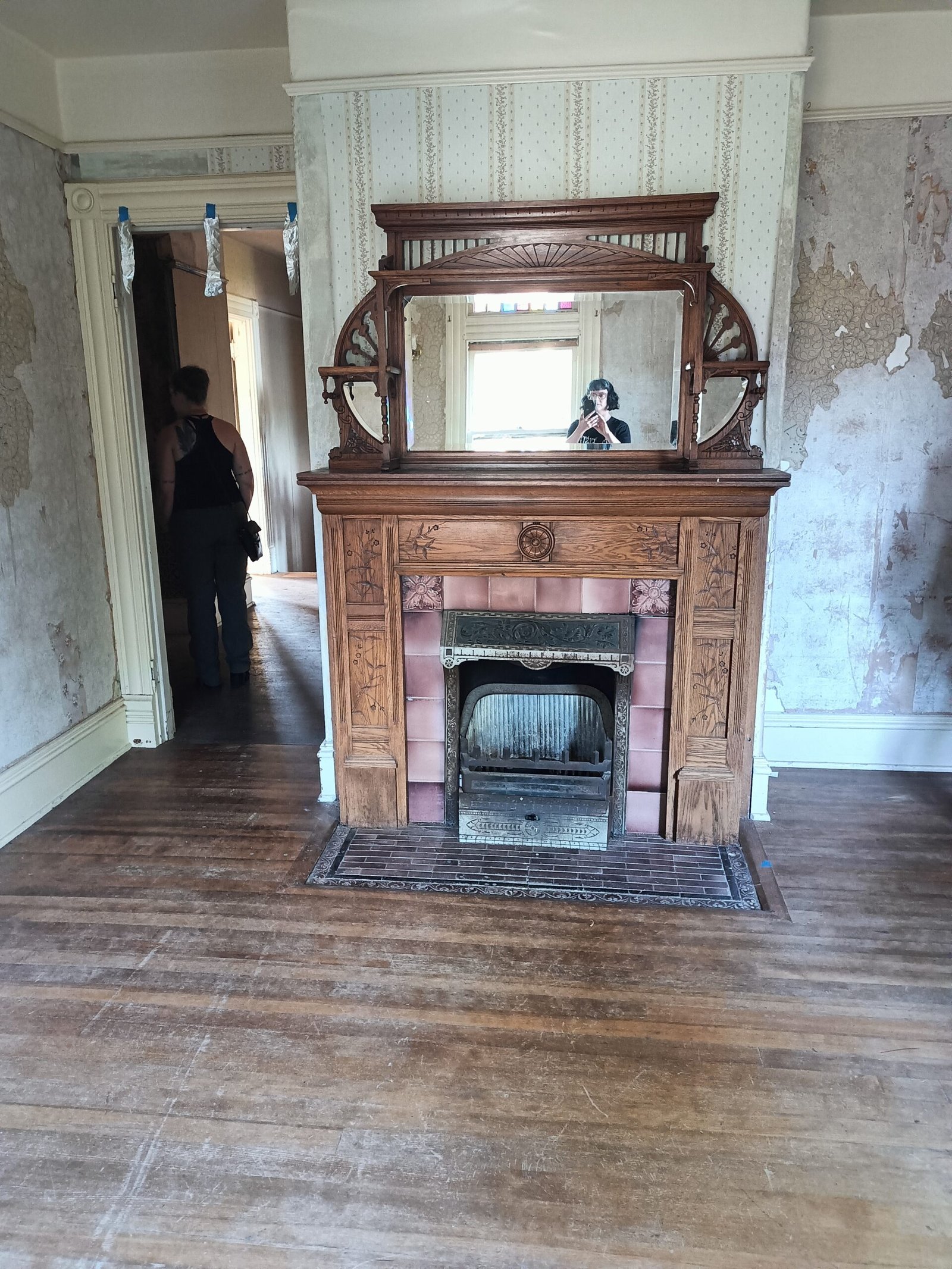
We walked through the house, once considered a mansion in its day, with spacious rooms designed for entertaining, fireplaces in nearly every bedroom, and a generous attic that once served as the nanny’s quarters and playroom for the children. The primary bedroom even boasted its own en suite bath and a small balcony overlooking the grounds, a rare luxury for the period.

In contrast, time has taken its toll. Much of the wallpaper is torn or missing, and the wooden floors creak underfoot with age. Restoring the home to its original grandeur would be prohibitively costly, a quiet echo of the family’s former status among the town’s most prominent citizens. I imagine the spirits have mixed feelings about it all, perhaps appreciative of the attention they still receive, yet impatient when visitors fail to show the proper respect for their historic home.

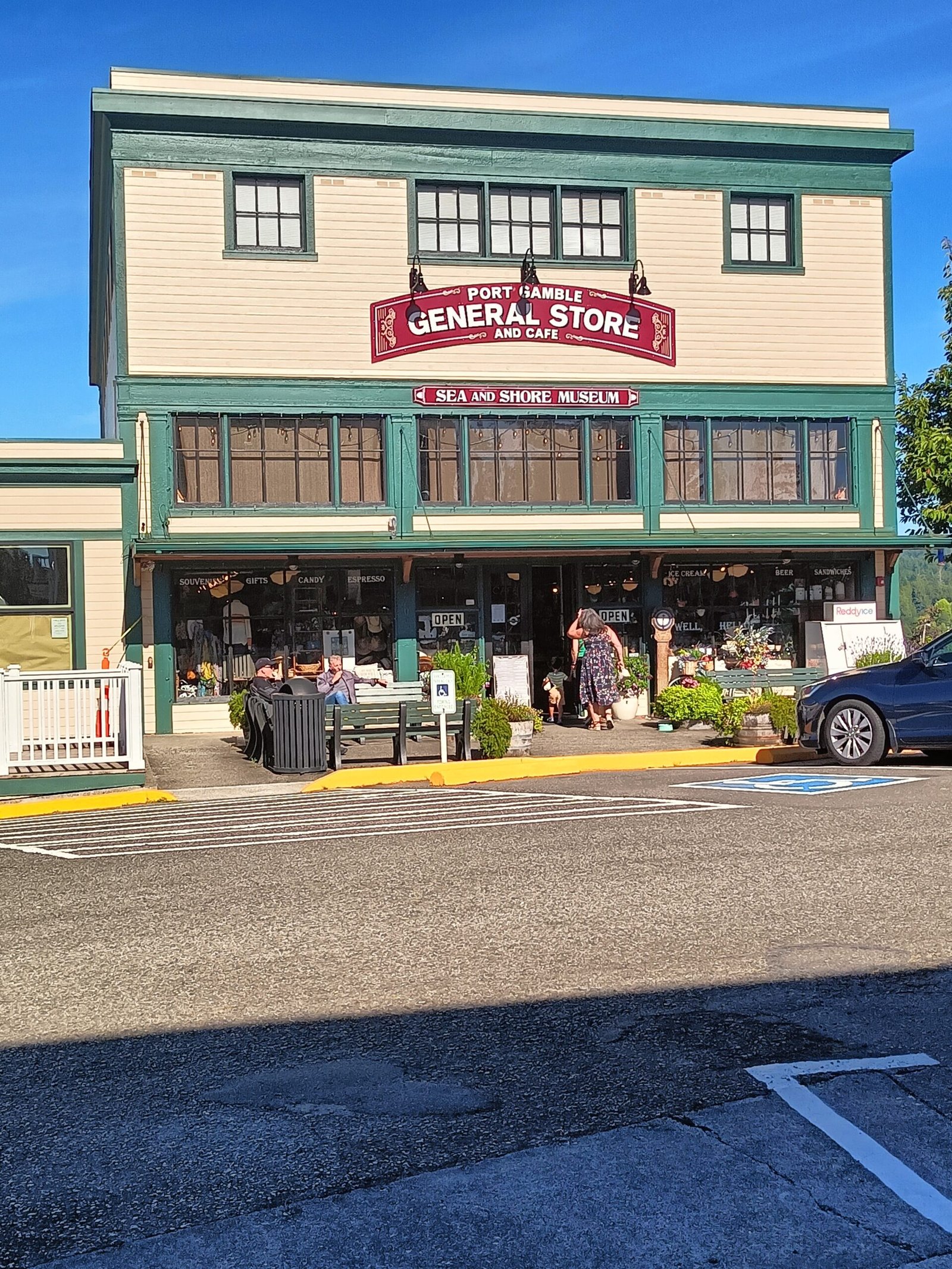
Outside the Walker-Ames House, other buildings in the area were said to host their own ghostly inhabitants: a former general store now home to a café, a small nautical museum, and a tourist shop among them. Across the street stood an old theater and post office, both known for unexplained activity reported by residents and visitors alike. There had once been a hospital nearby, and our guide suggested that some of its spirits may have drifted over when he opened channels of communication. Depending on the era and the illnesses that took their lives, some of these lingering souls did not seem entirely at peace.

As the evening faded into night, I left with the sense that the town’s spirits, like its people, simply loved where they lived. Maybe haunting, in some places, is just another word for staying home.

During Halloween season Pete offers regular Ghost Walks, and on Halloween itself there is Trick or Treating for children as well as a Ghoulish Gala in the evening. More information can be found here: https://www.portgamble.com/events-festivals/ Tickets can be procured on Eventbrite.

Paranormal Pete’s site for all his regular offerings including their annual Ghost Conferences is available here: https://www.portgambleparanormal.com/

NOTES:

If you enjoy my writing here, you might also like some of my other projects:

  • 💡 I have a Patreon where I share extra writing, behind-the-scenes notes, and updates on creative projects. You can check it out here.
  • 📖 I recently self-published my MA thesis on Butoh, which is available here. If you’re curious about performance, embodiment, and cultural history, I’d love for you to read it.
  • ☕ If you’d like to give a small one-time tip ($3), you can do so via Ko-fi here. Every bit of support helps and is greatly appreciated!
  • And as always – Please like and subscribe!

Anti-immigrant fear stems from lack of connection. Why the alt-right gets ‘heritage’ all wrong.

(Updates made for clarification – 2022)

Netflix has a documentary from a Pakistani-British woman who interviews white supremacists and neo-Nazis. I tried watching it and couldn’t get past 10 minutes. The emptiness of these people’s souls, their deep-rooted repression of healthy connection or attachment and subsequent projection onto scapegoats was so apparent it was painful and frustrating to watch.

Then I watched an Anthony Bourdain episode in cities in Ethiopia, interviewing a cook who was born there, was adopted and brought to Sweden, then moved to NY where he became a famous cook and then returned to the booming Ethiopia. They filmed the growing skate movement among the youth and of course shared pieces about the local food, drink, cultural and music scene. Throughout it all we see culture, connection, richness…which Anthony Bourdain sees and heralds. But you still see the pain in his eyes.

White culture, White Europe, White America…like the Indigenous elders have told us – we ‘haven’t begun’ our ‘healing journeys yet.’ There’s a portion that senses this is happening and because they don’t want to relinguish control and supremacy, they are lashing out. The world is changing but diversity does not mean erasure. It is possible to hold on to your history and culture while acknowledging a problematic past AND still embrace and support multi-culturalism. There are white people learning Irish, exploring Norse religions and mythology, learning Medieval fighting styles and going to Rennaissance faires. They are also enjoying Thai food, Chinese films, African sci-fi, Latin music, the list goes on. They know who they are, they are not being ‘erased.’

‘European heritage’ should not be cover for heralding a stolen symbol from India used to defend killing millions. ‘European heritage’ should not be cover for embracing the flag of slave-owning American states. I can research my European heritage, travel to Irish towns or Italian towns and still respect another’s wish to seek safety from war-torn countries. There are small towns in Italy and Spain that are dying because not enough people live there; the young move to cities for tech jobs. They welcome and embrace refugees now. Yet are still people celebrating centuries-old folk festivals in Europe and that don’t feel the need to hate on other groups. Europeans and European-Americans CAN research and preserve the best of their rich, cultural heritage without using it as cover for xenophobic fascism. That said, I mentioned earlier pre-Christian religions and Medieval/Rennaissance faires – it’s critical that those in these scenes police their communities to identify and root out members acting in bad faith to exclude others out of racism.

If Anthony Bourdain taught his white viewers anything it was the value of traveling, how to open our eyes to the longer view and to seek inspiration from others who have not lost human connection. I don’t want to fight to defend or preserve a culture built of oppression and disconnection from global humanity. “Whiteness” (or “Aryan”) by this definition is not a heritage worth keeping. It’s an artificial, divisive construct and lie propagated by slave owners and Nazis. Is it part of our history and thus our heritage too? Of course, but it is not something to cling to out of misplaced pride, thinking there is nothing else. There is so much more. There’s literature, music, languages, mythology.

If all you know of yourself is that your people were conquerors or slave-owners, and your history book praises colonialists, colonists, leaders slaughtering Native Americans, because the rest of your culture was robbed from you by those in power wanting to keep you hungry and angry, like a trained pit-bull raised on hate….shining a light on that may make you uncomfortable. But it should also open a door and lead you to ask – what has been kept from me? What else is there in the world? This is what motivated Antony Bourdain and so many other travelers – curiosity, an adventurous spirit, and openess.