
How online side‑businesses are reshaping survival strategies today
I was in a funk earlier today, doom‑scrolling online and reading about the extent to which global relations and the value of the dollar have been destabilized by the current administration. Inflation and exchange-rate shifts have eroded purchasing power by 10% in 2025. The effect of this is being felt across both the US domestically and with expats abroad.
Since the late 00’s, U.S. economics have gotten really bad – as I do my regular shopping, and observe people and the environments – I wonder how many will survive. I see people working retail jobs who look like they previously worked in offices. Every day I hear about tech and other white‑collar lay-offs.
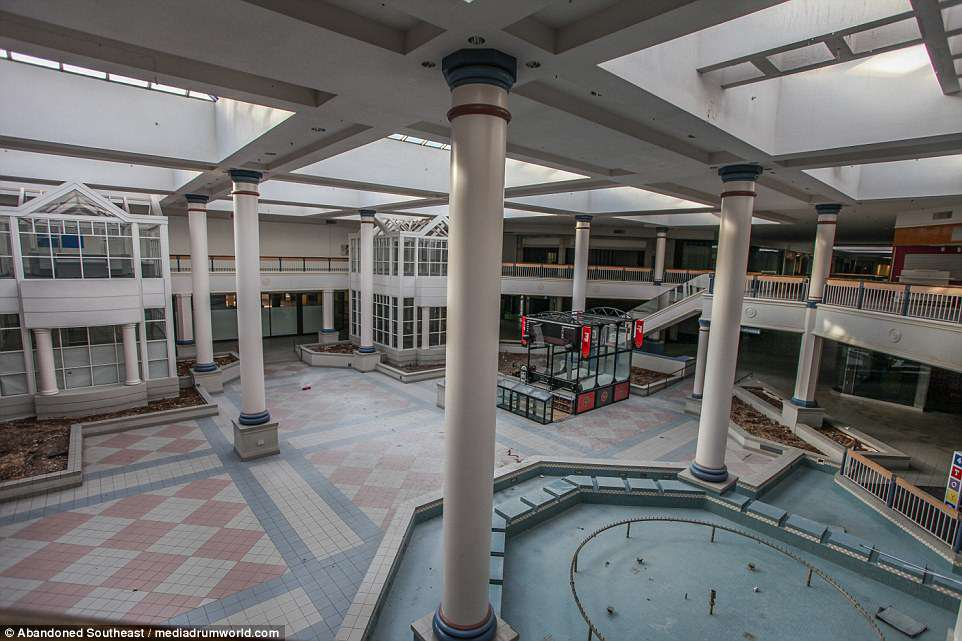
Thinking back to the the boom era of the late ’90s through the mid‑00s, I remember an era of giant retail enterprises. There were “megastores,” and “wow centers”—glitzy media megaplexes with enormous video screens playing the top music videos, magazine racks spanning 100 ft, and everyone drinking these giant new things called frappuccinos while buying CK One cologne.
In recent years larger chain stores have been closing. When you walk into one, it’s often run‑down and nearly empty, with maybe three employees handling returns or transactions you can’t complete online. There are many forces to blame for this – monopolies like Amazon gobbling up market share. Then private equity and hedge fund companies come in the liquidate the rest. Profits are funneled to CEOs, executives, stockholders, and everyone else loses their job and their retirement. The executives move on to the next companies.
I was at a chain office-supply store shredding some paper. At the register stood a tall trans woman with long dark hair. Ahead of me in line was a young neurodivergent person dressed much younger than her age, visibly stimming and bouncing with energy. The cashier greeted her warmly, chatting as if with an old friend, and I found myself wondering what their lives and futures might look like.
Inclusive stores aren’t just being kind—they’ve become holding spaces for people shut out of traditional career ladders. But they rarely provide living wages, and there’s no guarantee the store itself will survive long enough to sustain them. I’ve seen this before. One of my favorite jobs in the 1990s was working as a book buyer for the Virgin Megastore. When corporate centralized purchasing and stripped the role of autonomy, I left. Not long after, the chain shut down entirely.
As if by serendipity, I overheard the lady at the register mentoring the shopper on managing an online shop and on affiliate marketing. She mentioned that a friend with their online shop earns more in a month than she does in a year. While of course none of that happens overnight, it dawned on me that this generation isn’t willing to settle for the low wages of retail, nor are they pinning their hopes on expensive degrees and office jobs—both paths have shown their risks and failures. What I’m witnessing isn’t just economic decline—it’s a quiet shift in how marginalized people are stitching together survival through inclusion, informality, and digital micro-economies as traditional institutions fail them.
This generation is doing its best to hustle online, independently. But I also don’t see this as a silver bullet, and I’m not sure how sustainable it is. It still feels temporary. Algorithms replace bosses, platforms replace employers, volatility replaces stability. These people seem hopeful – but I believe we need a stronger and more just and equitable economy for all. Whether people want to work in smaller stores, as independent business owners, or for larger cooperatives. People need real options—work with dignity, stability, and autonomy—not survival strategies optimized for investor extraction.