After the Flâneur

How Platforms and Cities Unmade a Way of Thinking

Years ago I left academia – more specifically Asian studies. I had colleagues in Anthropology, History, Critical Theory, Comparative Literature, and Art History. It’s hard to express how much I miss these conversations. In the years since, working in Library Science, in tech, having friendships with artists and musicians…while adjacent, it hasn’t been the same. This is not intended to sound snooty or dismissive – there’s just a discourse that I’ve become estranged from. Book clubs come close, but they also cannot replicate it – for everyone arrives from different academic trajectories. They’ve read different histories, followed different canons. There was once a shared scaffolding that’s harder now to find. If I referenced Bourdieu or Debord there used to be an acknowledgement of that work and a shared understanding. Don’t get me wrong – our book club conversations are rich, varied, and deeply engaging, yet I sometimes I just miss discussions with people who shared the same class or curriculum.

When I follow academic blogs or accounts on Bluesky, I sometimes catch glimpses of these lost worlds. But they arrive as fragments: compressed, pithy, and often submerged beneath the urgency of current politics—which, while crucial, tend to flatten everything exhaustively.

While going through old files in preparation for our move, I’ve been finding printed correspondences with professors, colleagues, and others in my field from years ago. Reading them now, I’m struck by how many of those relationships were never continued. I pivoted from Japanese studies into Information Science, and then into tech, and my local circles became even further removed from that earlier intellectual life. I boxed that part of myself up. Revisiting it now feels bittersweet. This is not because the work was unfinished (I completed my degree, published in journals, published my thesis), but because the conversations were. I lost touch with that community and fell out of the loop. While my inbox still receives messages from a shared humanities listerv, lacking academic affiliations, I am no longer an active participant.

Substack promised a return to slower, more sustained thinking, but its design quietly undermines this possibility. Without robust ways to organize, label, or browse subscriptions by theme, the experience collapses into noise. Attention that wants to settle into deep focus is constantly disrupted by unrelated content. I used to rely on Feedly for precisely this reason: Asian Studies in one place, Digital Humanities in another, Information Architecture in another. These separations weren’t arbitrary, they were cognitive, they allowed immersion. On Substack, dozens of updates arrive daily in a single undifferentiated stream, making it impossible to read with care. The result isn’t abundance; it’s overwhelm.

Algorithmic platforms like YouTube or Instagram at least acknowledge how attention works, even if they exploit it. They detect patterns and narrow the field. Substack offers neither meaningful curation nor intelligent filtering – only a flattened feed that treats all content as equally urgent. Faced with that, I find myself reading less, not more.

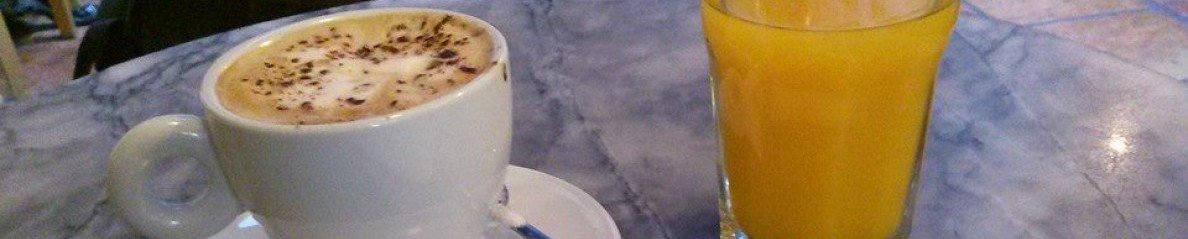
This mirrors, uncomfortably, the disappearance of the physical and social conditions that once made intellectual wandering possible at all. Walter Benjamin’s flâneur – the figure who roams city streets absorbing culture, ideas, and chance encounters – depended on an urban fabric that allowed for slowness, permeability, and unscripted exchange. Cafés near UC Berkeley once functioned this way: you overheard conversations about theory, politics, or art; sometimes you joined in; sometimes a single remark sent you down rabbit holes. A conversation about quantum mechanics might lead to a comic book touching on chaos theory and mythology, then to a used book on Jungian psychology at Moe’s Books, then to a European New Wave film at the U.C. Theatre. These experiences formed a chain – thinking unfolded across bodies, books, streets, and time.
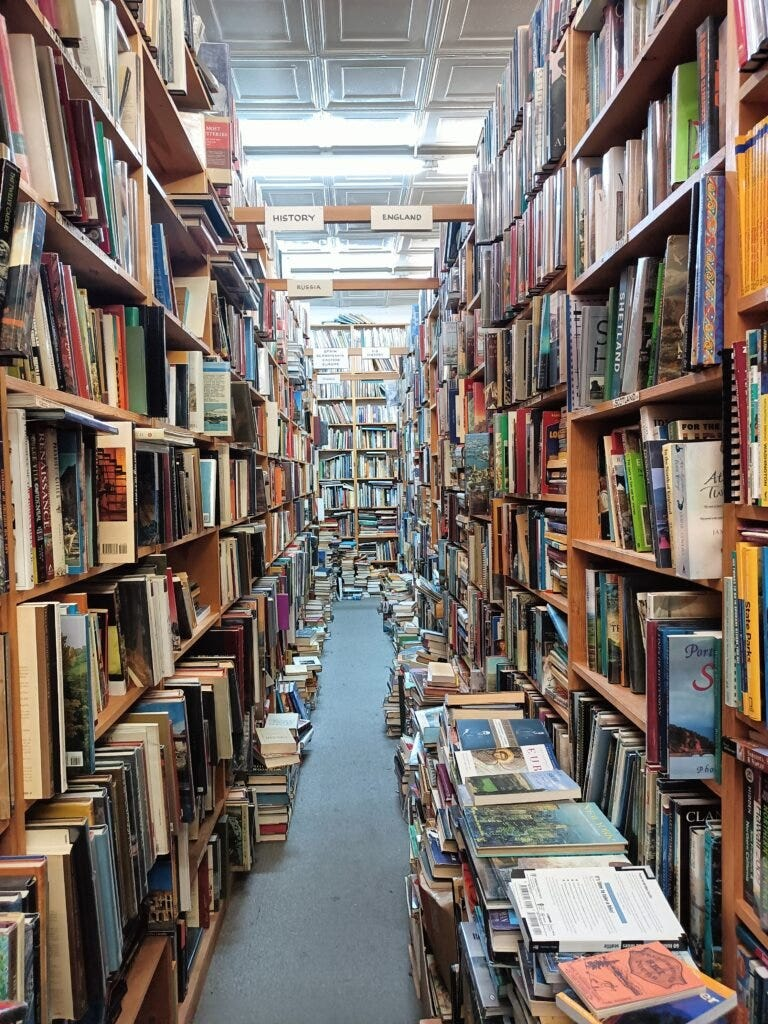
Now that chain has been broken. Cafés became laptop farms, bookstores vanished or relocated to areas with less foot traffic, movie theaters became unaffordable or inaccessible. Online spaces, meanwhile, atomize experience into monetized fragments, interrupted by ads, paywalls, and notifications. Add to all this the inflated cost of American cafés – spaces where lingering without purchase is discouraged and conversation with strangers feels socially and economically improbable; the experience of a flâneur has been rendered structurally impossible.

What I’m grieving, ultimately, isn’t nostalgia or youth. It’s the loss of the environments – both digital and physical – that once made deep, meandering, non-instrumental thinking possible, and with them the quiet disappearance of the flâneur as a way of being in the world.

Notes:

If this piece resonated with you and you’d like to explore related work, here are a few places where I’m continuing these conversations:

  • 💡 On Patreon, I share additional writing, behind-the-scenes notes, and works-in-progress that don’t always fit here. You can find it here.
  • 📖 I also self-published my MA thesis on Butoh, which looks at performance, embodiment, and cultural history. If those threads interest you, it’s available here.
  • 💸 And if a smaller, one-time gesture feels more your speed, you can leave a $3 tip via Ko-fi here. It’s always appreciated.
Retail’s Quiet Revolution

How online side‑businesses are reshaping survival strategies today

I was in a funk earlier today, doom‑scrolling online and reading about the extent to which global relations and the value of the dollar have been destabilized by the current administration. Inflation and exchange-rate shifts have eroded purchasing power by 10% in 2025. The effect of this is being felt across both the US domestically and with expats abroad.

Since the late 00’s, U.S. economics have gotten really bad – as I do my regular shopping, and observe people and the environments – I wonder how many will survive. I see people working retail jobs who look like they previously worked in offices. Every day I hear about tech and other white‑collar lay-offs.

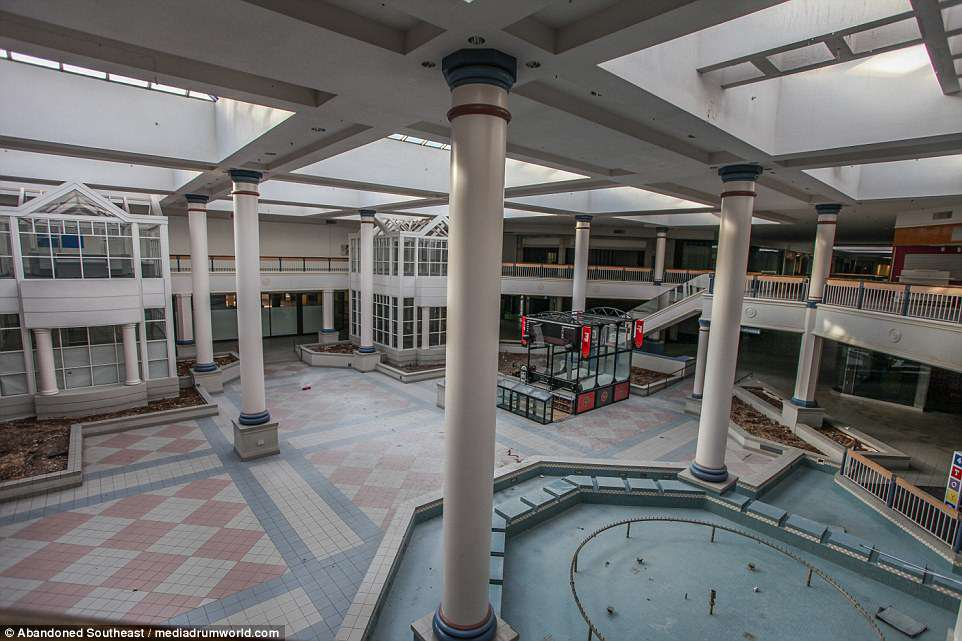
Thinking back to the the boom era of the late ’90s through the mid‑00s, I remember an era of giant retail enterprises. There were “megastores,” and “wow centers”—glitzy media megaplexes with enormous video screens playing the top music videos, magazine racks spanning 100 ft, and everyone drinking these giant new things called frappuccinos while buying CK One cologne.

In recent years larger chain stores have been closing. When you walk into one, it’s often run‑down and nearly empty, with maybe three employees handling returns or transactions you can’t complete online. There are many forces to blame for this – monopolies like Amazon gobbling up market share. Then private equity and hedge fund companies come in the liquidate the rest. Profits are funneled to CEOs, executives, stockholders, and everyone else loses their job and their retirement. The executives move on to the next companies.

I was at a chain office-supply store shredding some paper. At the register stood a tall trans woman with long dark hair. Ahead of me in line was a young neurodivergent person dressed much younger than her age, visibly stimming and bouncing with energy. The cashier greeted her warmly, chatting as if with an old friend, and I found myself wondering what their lives and futures might look like.

Inclusive stores aren’t just being kind—they’ve become holding spaces for people shut out of traditional career ladders. But they rarely provide living wages, and there’s no guarantee the store itself will survive long enough to sustain them. I’ve seen this before. One of my favorite jobs in the 1990s was working as a book buyer for the Virgin Megastore. When corporate centralized purchasing and stripped the role of autonomy, I left. Not long after, the chain shut down entirely.

As if by serendipity, I overheard the lady at the register mentoring the shopper on managing an online shop and on affiliate marketing. She mentioned that a friend with their online shop earns more in a month than she does in a year. While of course none of that happens overnight, it dawned on me that this generation isn’t willing to settle for the low wages of retail, nor are they pinning their hopes on expensive degrees and office jobs—both paths have shown their risks and failures. What I’m witnessing isn’t just economic decline—it’s a quiet shift in how marginalized people are stitching together survival through inclusion, informality, and digital micro-economies as traditional institutions fail them.

This generation is doing its best to hustle online, independently. But I also don’t see this as a silver bullet, and I’m not sure how sustainable it is. It still feels temporary. Algorithms replace bosses, platforms replace employers, volatility replaces stability. These people seem hopeful – but I believe we need a stronger and more just and equitable economy for all. Whether people want to work in smaller stores, as independent business owners, or for larger cooperatives. People need real options—work with dignity, stability, and autonomy—not survival strategies optimized for investor extraction.

Finding a Walkable Life Abroad: Swapping Hustle for Slow‑Living Streets

I wasn’t sure I was ready to write about this yet, but because this blog is part art journal, part travel diary, it feels like the right place to begin.

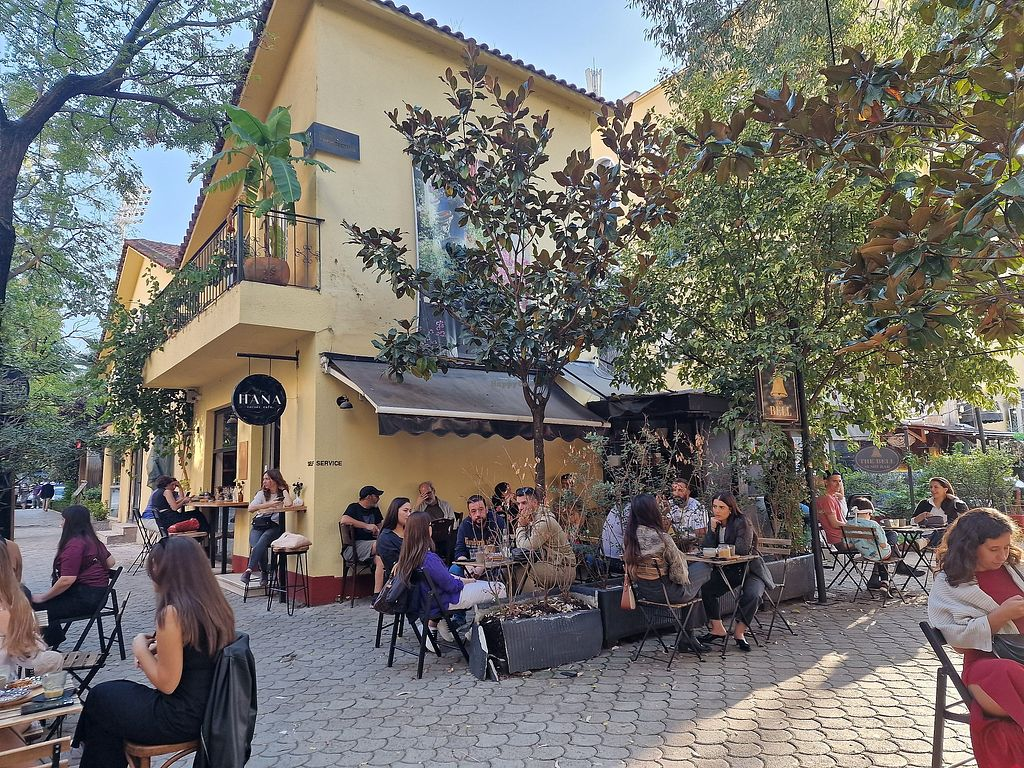
Later this year we may relocate to a more affordable country—a move that will give us space to pursue our creative projects, wander freely, and step away from the relentless grind of American hustle culture. I’m dreaming of a place where I can stroll to bustling produce markets, bakeries, and cheese shops, then settle into a café for hours—reading, writing, people-watching—without worrying about the cost of living.

Photo of Hana Cafe, Tirane, Albania – c/o Happy Cow.net

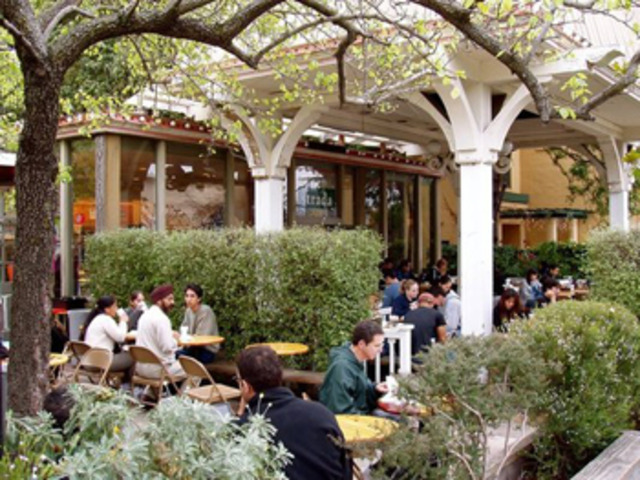
For me, this is a return to a lifestyle I’ve missed since leaving my hometown of Berkeley. Back in the ’80s, as a teenager, I roamed the city on foot, passing historic buildings, overgrown Mediterranean‑style gardens, and fruit‑laden trees. I spent endless afternoons in cafés, browsing independent bookstores and record shops, grabbing fresh meals at inexpensive local eateries, and catching foreign films at local art theatres. These moments became the cornerstones of a lifestyle I hoped to carry with me as I grew older. Looking back, I realize that what I loved most about those years wasn’t just the city itself, but the freedom of a daily life shaped by proximity, serendipity, and time—the same values drawing me toward walkable living abroad now.

Photo of Caffe Strada c/o SFList

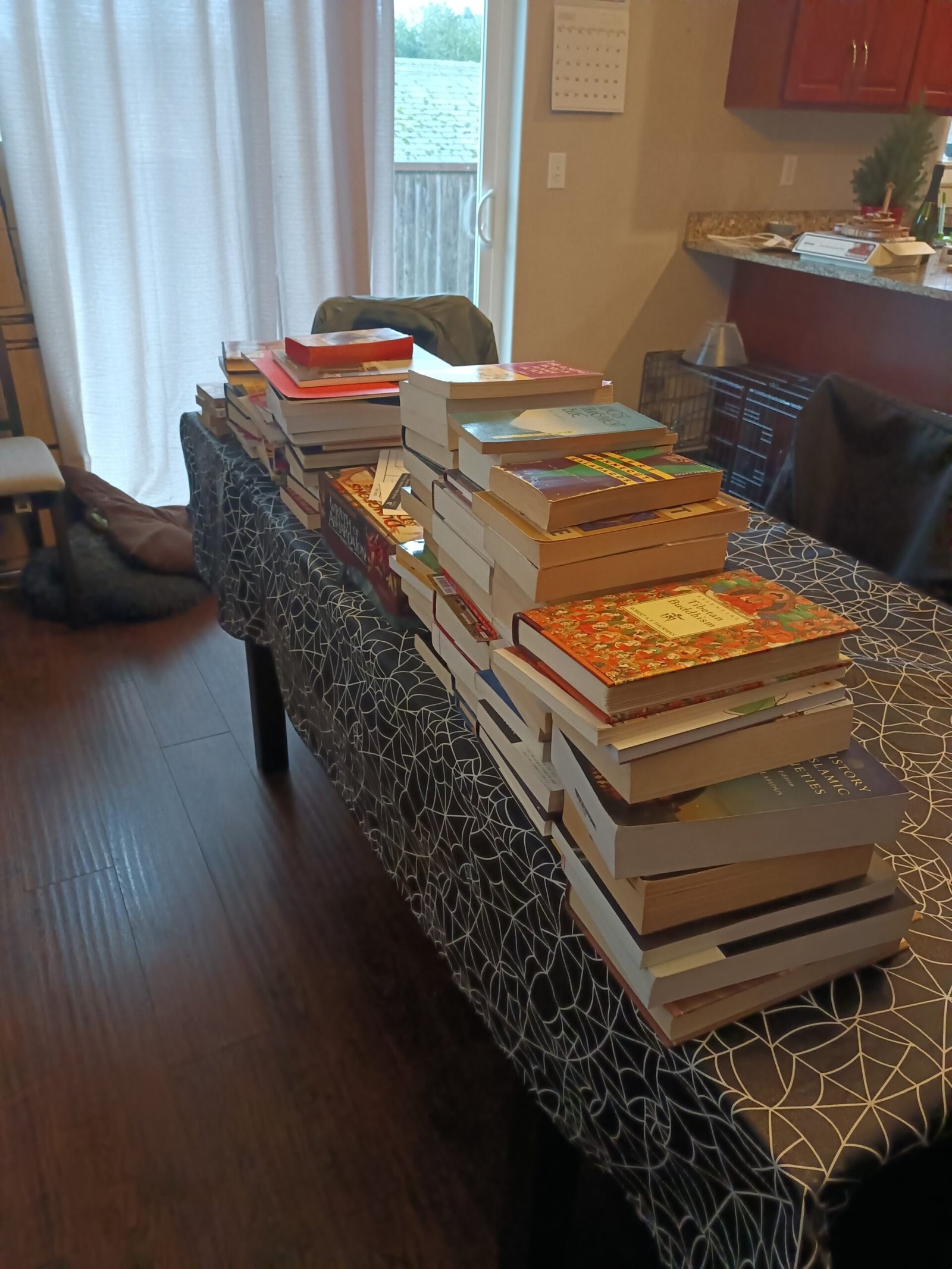
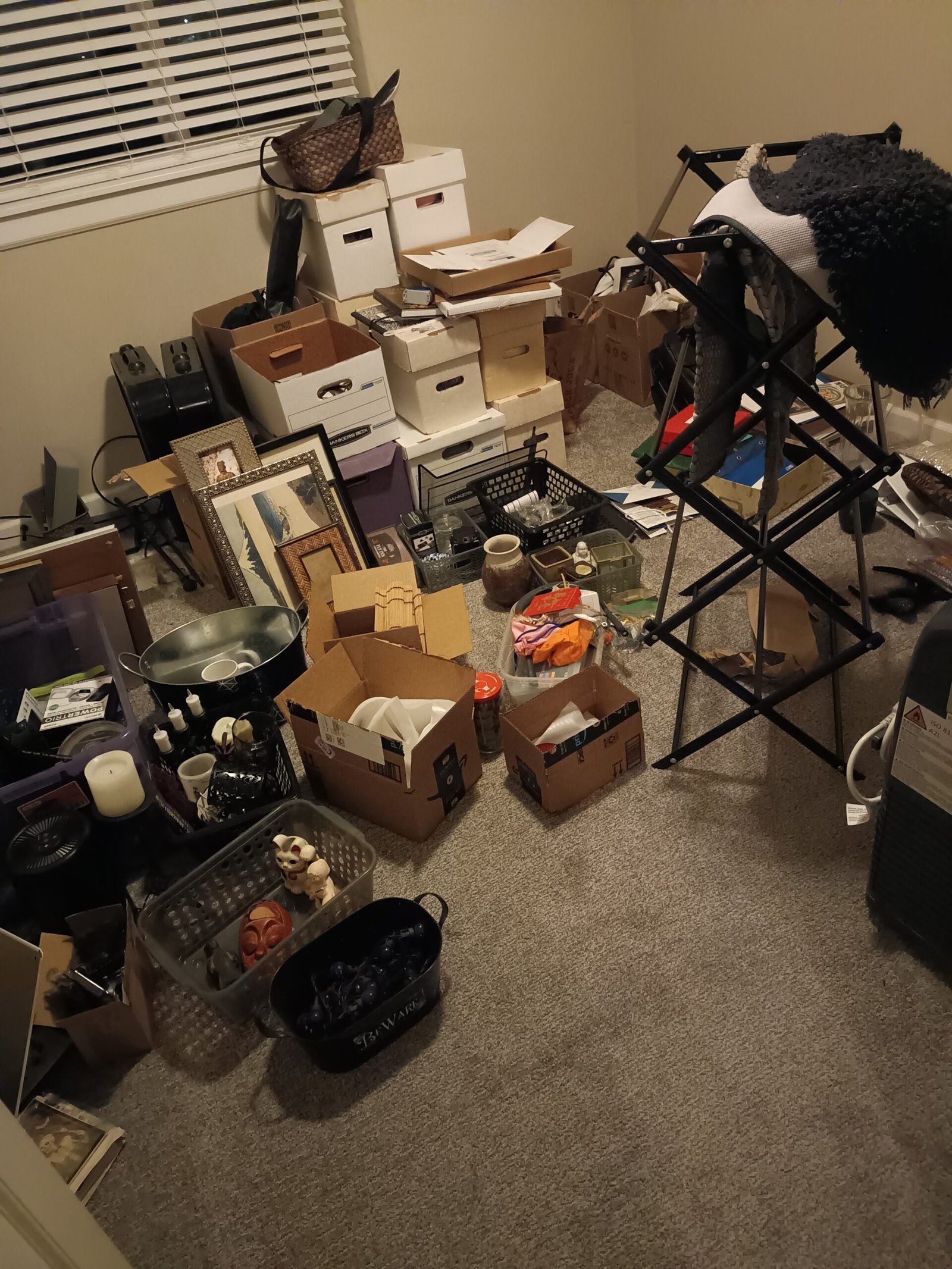
Rent prices, however, began to skyrocket in the mid‑’90s, pushing me out of state and by the early 00’s – eroding that vibrant, walkable life. Now, as we prepare for the move, we’re in the thick of downsizing: selling select books, décor, furniture, and other household items we don’t want to spend thousands to ship overseas. It’s a painstaking, slow process—listing everything on Facebook Marketplace, eBay, and Etsy right after the holiday rush feels like an endless chore. Still, I keep boxing up books, posting shelves, and hoping each listing finds a new home.

The minutiae can be overwhelming. I wish I had an easier system, and I’d love for my friends to swing by and buy from me directly. In the weeks leading up to our departure, we’ll host an estate sale, but it would be liberating to clear out as much as possible beforehand.

As tedious as this process is, I try to remember what it’s making room for: mornings that begin with a walk to the market, afternoons spent lingering in cafés, and evenings shaped more by curiosity than exhaustion. Letting go of these objects is the price of reclaiming that rhythm. If I’m patient—and a little ruthless with my belongings—I might finally step back into the kind of everyday life that first taught me how to wander, observe, and create.

World Goth Day 2025 at Real Art Tacoma

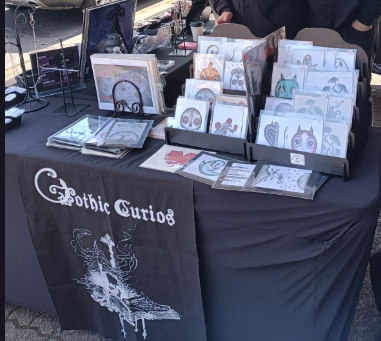
Once again, Real Art Tacoma & Layla from Gothic Curios & Licorice Chamber have brought goth bands, DJs, & vendors to help celebrate World Goth Day in Tacoma.

Saturday evening May 18th

Five bands and three DJs performed and played music Saturday evening, celebrating the diversity that is the broader Goth/Post-Punk/Darkwave scene.

Autumn is a Darkwave/Goth rock band from Minneapolis, MN. Their new single Venice is available now.

Licorice Chamber is a local Goth band with vocals reminiscent of Siouxsie, and guitar work that recalls the the Cure.

Tethys is a Death/Progressive Metal band from Denver, CO who used elements of Industrial in the form of amplified metal, similar to that of SPK or Einsturzende Neubauten.

Seaside Tryst a Seattle Synth/Indie band was a later replacement, in the wake of the tragic passing of Ralph from Seattle Post-Punk band the Glow.

Neurogeist is a local Industrial/Dark Synth group out of Tacoma.

Three DJs spun tunes before and in between the music sets: DJ Owen traveled up here from Oakland, CA, and DJ Kritical Virgo, and DJ Wrain Havoc hail from the greater Seattle area.

Sunday May 18th

The following day Real Art held a day-time Goth market of local witchy and spooky crafts. DJ Lucian Black Death provided dark tunes.

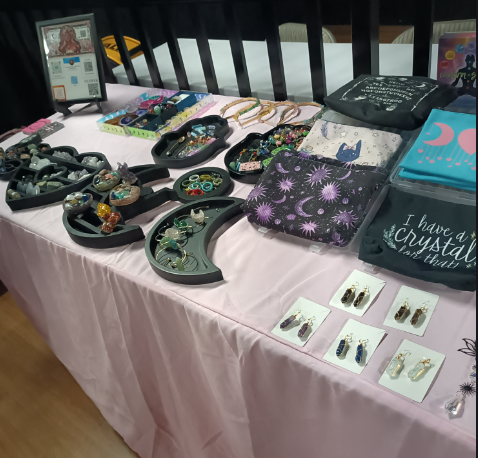
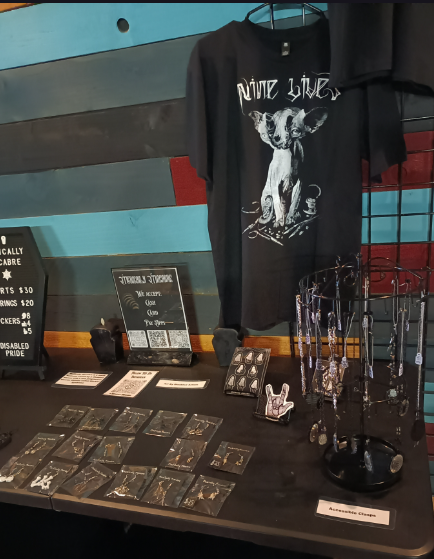
Gothic Curios features the art and other dark merchandise of Layla from Licorice Chamber. T-shirts, artwork, stickers, jewelry, and a variety of other gothy decor.

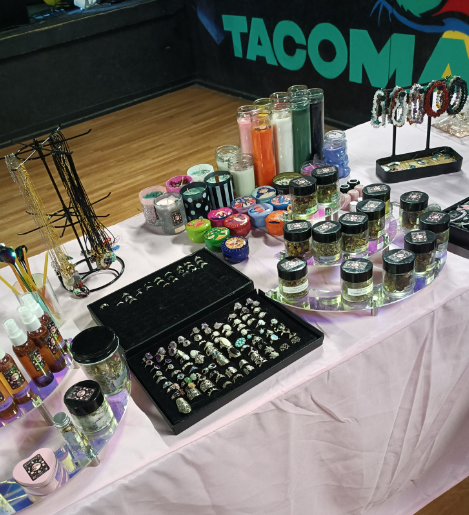
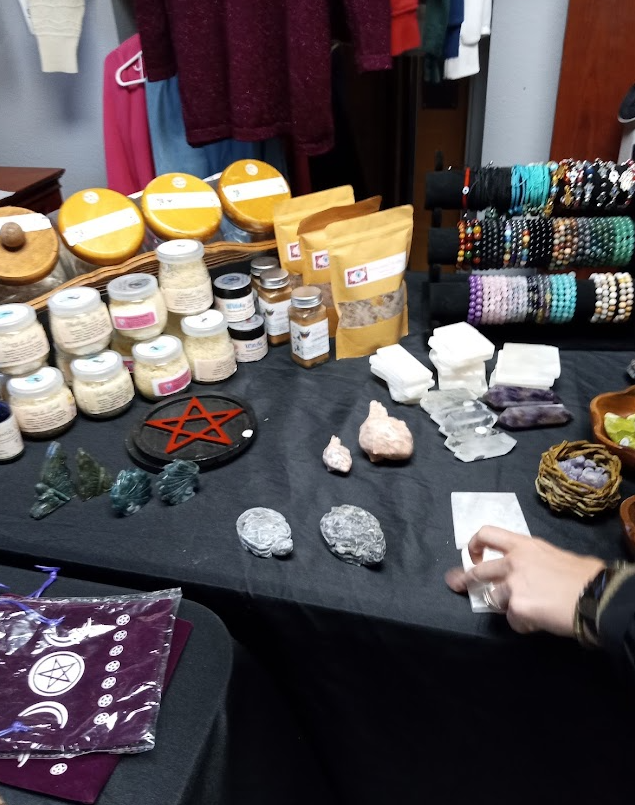
The Mystic Moon offers spells, candles, teas, oils, crystal bags, and an assortment of gothy jewelry. She also runs a local catering business, MsTreatology.

She helped recommend to me an enchanted tea blend for fortune and good luck.

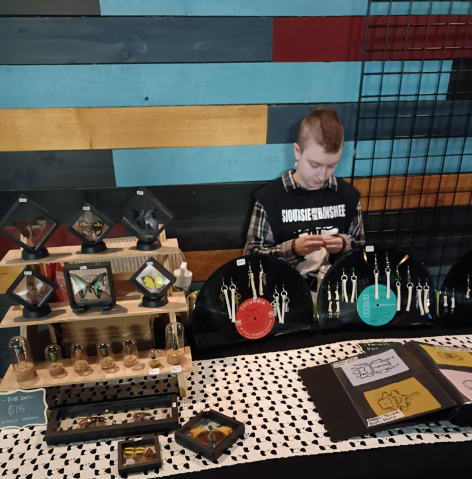
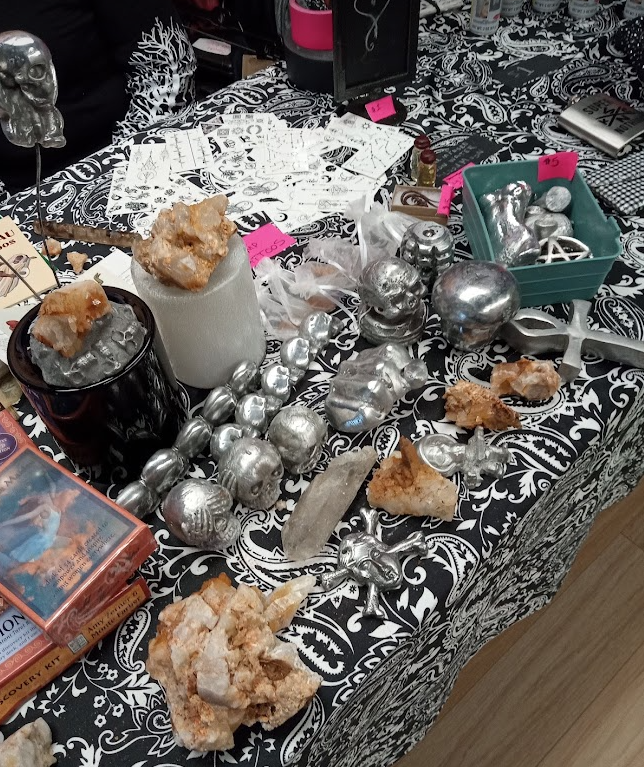
RoxyFae Oddities makes beautiful jewelry out of bones and preserves amazing insects in little diorama bottles.

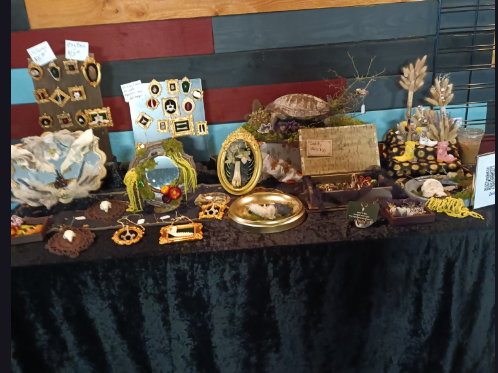
Kreep It Real makes beautiful little golden framed gothy art works that can be hung on the wall or fridge, jewelry and other art pieces made from natural things like bones or spooky plants.

Medically Macabre makes gothy designs, from stickers to jewelry, with the disabled community in mind. I was very impressed that they make jewelry that’s easier to fasten. I wish that accessibility was the standard.

Beth the Witch was selling a variety of witchy goodness including a variety of spell candles. I was having such a great talk with her I forgot to get a photo! She sells her products at Crescent Moon Gifts where she also does Tarot readings and teaches some classes.

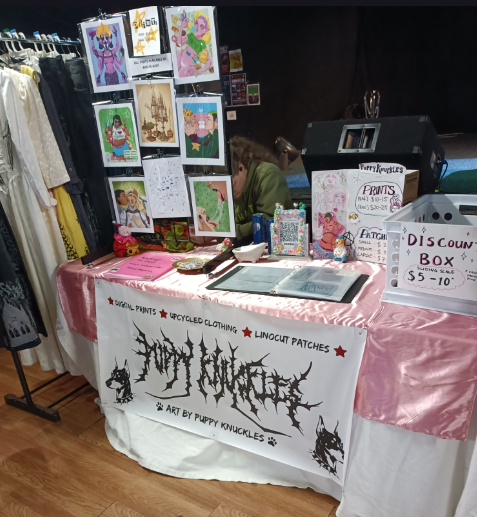
Art by Puppy Knuckles is a queer, trans artist from Bellingham upcycles locally thrifted clothing with linocut prints, bleach painting, and patches. Puppy Knuckles also creates digital prints and punk patches.

Shop for gothy gifts at Full Moon Flea Market

Edit: Their brick and mortar location unfortunately closed June 2023 – but you can still support their vendors listed through their website – Full Moon Flea Market.

Nestled in Antique row is shopping for the goth-inclined: Full Moon Flea Market – a self-proclaimed purveyor of “Grim Gifts and Goods: Dark Arts and Antiques from the Pacific Northwest.”

After a few years of being housed within the Sanford and Son building they moved to a storefront last year. They feature over the work of over 65 local artists – of spooky, macabre, horror, punk, LGBT, and witchy works. You can also everything from jewelry to pins and buttons, stickers, patches, books and zines, cards, art prints, and so much more.

Due to some health issues the physical storefront will be taking a hiatus for some months but they will be returning soon after. Their last in-store day will be May 28th, after which they will be doing all their business through their websitePlease visit! Follow them on Instagram and Facebook. They will be doing a product refresh with new works from a variety of their awesome artists! Fullmoonfleamarket.com

Tacoma – Witches Day Out Market – 4/15/23

Hosted by Centaur Sisters of the Moon and Witchy Centaur Essentials – and hosted at the Pt. Defiance-Ruston Senior Center – Witches Day Out Market featured a dozen vendors including: Tarot Reading, Reiki, Bone Reading, and Danger Noodle information.

Continue reading “Tacoma – Witches Day Out Market – 4/15/23”

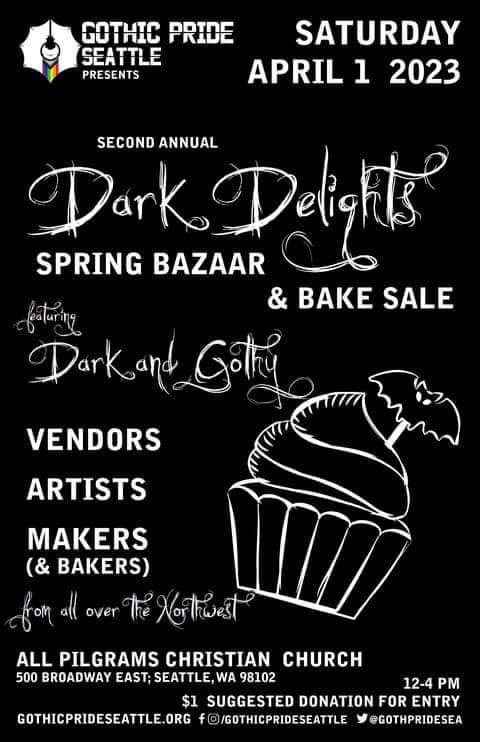
Gothic Pride Seattle – 2023 Dark Delights Spring Bazaar & Bakesale

Today we travelled up to Seattle from Tacoma for the second annual Dark Delights Spring Bazaar & Bake Sale by Gothic Pride Seattle.

“Gothic Pride Seattle is an all-inclusive nonprofit 501(c)3 organization working to help strengthen and empower our diverse community through advocacy, education, social, and fundraising events. We strive to help make safe and lasting connections and alliances within and throughout the Seattle Gothic community, as well as in the greater Seattle area.

Through hosting and participating in local gothic events, we help strengthen and unify our community and promote connections. We create visibility through our float in Seattle’s yearly Pride Parade, and invite all community members to join us and celebrate your gothic pride!

All the profits from the sales of the t-shirts, hoodies and other merchandise goes to the Community Crypt fund which is distributed to local goth businesses in need.”
https://gothicprideseattle.org/mission-statement/

The history of Gothic Pride Seattle can be found here – The GPS website offers many ways for community goths to become involved, whether that be through volunteering, donating, or supporting sponsoring businesses.

These were some of the partipating vendors:

Iikka Keränen – Dark and Gothy artist
Dropping Needles Embroidery – Spooky and Geeky embroidery
Handbasket Co  – Home of the Satanizer to ‘clean your hands, not your soul’
Gothic Pride Seattle Shop – Coffee mugs, t-shirts, hoodies
MX Morgan Illustrations – Dark Fantasy Artist
Shady Lamp Lady – Gothy lamps
Charmed Curio – Jewelry
Robert Tritthardt  – Dark Pen and Ink Illustration
Ground by the Sound – Crystals

I enjoyed browsing and seeing everyone’s talents. I will definitely visit their online stores to acquire more wares. I found a couple beautiful prints by Mx Morgan Illustrations – the one I was able to purchase today was this lovely dark moon against a blood red sky. They had a collection of really dark and adorable stickers as well. I’ll be returning to their shop to try to purchase the other print I was eyeing.

Blood Moon – by Mx Morgan

I was happy to meet Tara of the aspiring Little Goth Cafe on the Hill – Please help support her efforts to develop a late night gothy cafe in Seattle that will feature art, vegan and lacto-ovo-vegetarian options, and community/meeting spaces.

Tinkertopia – Tacoma’s Creative Reuse Center

If you’re in Downtown Tacoma visiting either the University of Washington in Tacoma, the local TAM (Tacoma Art Museum), Museum of Glass, or Washington State History Museum – just across the street on Pacific Ave you HAVE to go see Tinkertopia!

Tinkertopia works with local businesses and the community to safely gather reusable materials, converting them into imaginative arts and craft supplies for kids, teachers, “makers and tinkerers.”

Tinkertopia was founded by two artists, one a preschool art teacher who were committed to not only providing opportunities for the community to have low-cost art supplies but also to divert local waste-streams.

Continue reading “Tinkertopia – Tacoma’s Creative Reuse Center”

Will the early 90’s be lost like tears in the rain?

I saw on Twitter a poignant post recalling the early days of the internet, how there is little record of it all due to defunct websites and bit rot…describing it as all lost, like tears in the rain.

It’s a reference to the death monologue given by the dying android Batty in Bladerunner. Reflecting upon early 90’s and 80’s indie culture, small businesses owned by Gen-X shopkeepers, many of these disappeared as well, during waves of recession and rent increases. There was no Yelp back then, no local foodie magazines propped up by investors. There might have been a fleeting reference or xeroxed photo in a 50 cent zine, but beyond that this was a undocumented zeitgeist that disappeared before much could be recorded for posterity.

Decades of attention were showered upon Boomers and the 60’s. There were documentaries, retrospective exhibits.  It pains me as a trained archivist that the punk to early 90’s era received comparatively sparse attention. Outside of noxious Newsweek articles about Generation X, where are the archives? Yes, there are musical documentaries and biographies, but outside of those that made it big, where are the digital records?

These days we have an excess of data due to millennials documenting everything with Instagram, Twitter, Yelp. It is impossible now to live and create without leaving a digital trace.

My generation spawned flyers, zines, diy comics, cassette mixed tapes, but how much has survived? If some had been been digitized, have them been tagged? Indexed? None of these records are searchable.

Online you can find thousands of iterations of viral memes from the last two years. It reminds of trying to read one’s social media news feed beyond yesterday. Online blogging platforms only show you posts from the last two weeks. What does this say about our value of history?

Many in my generation prided ourselves on being indie and underground, but much history was buried when bigger businesses took over and everyone went online. To counter historical homogeneity we need proof of the other narratives. Loft living did not begin with dot com tech workers for example, it started with artists living in unheated warehouses, filling giant open spaces with 50’s style kitchen furniture, Xmas lights, art school sculptures, graffiti and yes, code violations. There were cottage industries that sprung up around the late 80’s, early 90’s rave culture. Clothing, diners like Hell’s Kitchen on Haight St. that were as known for its collection of vintage toys hanging from the ceiling as for lack of service and cleanliness. I do not argue these factors (as well as drugs) did not contribute to this vanishing, but I mourn the lack of photos.

When I lived in Santa Cruz there was a small cafe across the street from a comic book store on Water St. The cafe owners were an older, quiet Gen X couple that reminded me of Kim Gordon and Michael Gira. They collected vintage, mid-century modern furniture and coffee mugs. They served Peet’s coffee in French presses. There were large art magazines around and 80’s era experimental art. I loved going there to escape the crowds of students and/or hippies elsewhere, but sadly they did not get enough traffic to survive. This was the other nail in the coffin for these special places, as the post-Reagan economy became more cut-throat, unique businesses had to play a numbers game or fail.

It makes me envious of Europeans, who not only experience businesses lasting a lifetime, but some have lasted over a century. I don’t have the space to explore the effect of this late Capitalist churn on the American culture and social psyche, but we basically have no permanence. Cafes and restaurants I took my son to when he was a toddler no longer exist and that’s just a handful of years. There used to be cafes and restaurants in my hometown that existed for 40-50 years. We’d meet there during holidays, it was a kind of psychic touch stone. A chance to step back into that stream in time. How can one go back ‘home’ when everything is gone?

Photographs help, telling stories help – but when there are no records and you no longer know anyone who remembers these places, what then?

This is what motivates archivists and historians.

Before you Instagram one more acai bowl or tumeric latte – go through your old zines, flyers, photos and digitize them. Upload them, tag them, GPS-tag photos of businesses that used to exist. Date-stamp them with the year, or best estimate. Don’t let these memories be lost like tears in the rain.