Winter prepping, small jars, and the slow art of getting things done
Between all the system failures, hacks, and weather events around the world—not to mention the obvious approach of winter—I’m dealing with the impulse to do my usual stock-all-the-things run to Costco. Except we’re in Albania. There is no Costco here. There are small local stores with small amounts of product, and we seem to run out of everything within a week. Small jars of peanut butter and jam. Small containers of cheese. Small jars of olives. Fresh bread that we must buy every day.
Stocking an apartment takes a long time, and it comes with many learning curves. One of them is inconsistency in product quality. I recently bought a multi-cooker (their name for InstantPots in Europe), only to discover the German-made one I chose had a non-stick inner pot instead of stainless steel—so we’re returning it today.
Cleaning products pose a similar puzzle: there’s a lot on the shelves containing chemicals we wouldn’t use, yet it’s hard to find products with readable ingredient lists. It takes vigilance, and stores don’t carry everything. Often we have to walk across town to multiple shops, and one that stocked a certain item last week might not have it the next.
We lean into our expat network for recommendations and learn to buy multiples within reason. And when the packaging itself fails us, we improvise: we wash and reuse our glass jars to hold the things sold loose in small plastic bags—beans, lentils, spices.
But beyond the jars, I haven’t yet found real bulk sources, and winter is exactly when I feel compelled to stock up: toilet paper, beans, lentils, rice, coffee, dog food. I know I can wander the street markets to buy vegetables and dry goods in bulk—that’s probably what many locals do—so that should probably be my next step. I also need to stock up on nuts and shelf-stable milk.
The fireplace, though, is where the bulk question plays out differently. They don’t sell a small cord of wood at stores here—you know, the half a dozen split logs bundled up that you can take to your car? Instead, you order a truck to deliver two square meters of chopped logs, and you split and store them yourself. I’m told you can also pay someone to chop it up and lug it upstairs, though I don’t know how much that costs, or whether they do the work off-site or at one’s place—we don’t really have a yard for them to do it here.

We’ve ordered a large firewood shelf for balcony storage through Temu (Amazon doesn’t deliver here), so until that arrives we’re hesitant to order the wood; we don’t yet have somewhere secure to store it. And finding out and scheduling any of these things can take weeks of back and forth over WhatsApp—the communication channel of choice for businesses here. People don’t respond promptly, and scheduling is very informal.
In fact, getting anything done here runs on that same rhythm. When you meet face to face with someone you’re doing business with, other customers will often jump in front and press them with immediate needs if it seems your needs are taking too long. Someone you’re meeting with may also switch to handle incoming phone calls and be on the phone with someone else for twenty minutes. If they say they will meet you somewhere, it can sometimes be two hours later. All of this takes some getting used to.
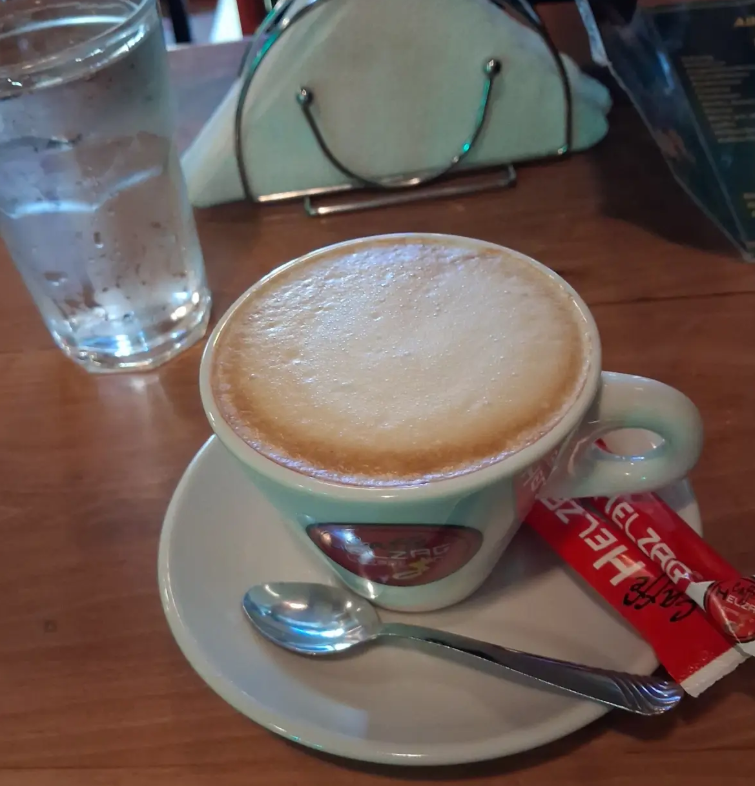
America spoils you on convenience and a feeling of independence — with the ease of driving to a big box store and getting everything in one day, versus a patchwork quilt of community interdependence. Here, we adjust as the weeks slip by, only to realize we still haven’t secured a vet or a dog grooming appointment, found the right, affordable help for the residency application process, or even located a dentist or a local doctor. Some days, the whole victory is taking out cash, finding a toilet plunger, and meeting a local expat for help finding replacement light bulbs — then spending a couple of hours chatting over very good espresso.