No Costco in Albania

Winter prepping, small jars, and the slow art of getting things done

Between all the system failures, hacks, and weather events around the world—not to mention the obvious approach of winter—I’m dealing with the impulse to do my usual stock-all-the-things run to Costco. Except we’re in Albania. There is no Costco here. There are small local stores with small amounts of product, and we seem to run out of everything within a week. Small jars of peanut butter and jam. Small containers of cheese. Small jars of olives. Fresh bread that we must buy every day.

Stocking an apartment takes a long time, and it comes with many learning curves. One of them is inconsistency in product quality. I recently bought a multi-cooker (their name for InstantPots in Europe), only to discover the German-made one I chose had a non-stick inner pot instead of stainless steel—so we’re returning it today.

Cleaning products pose a similar puzzle: there’s a lot on the shelves containing chemicals we wouldn’t use, yet it’s hard to find products with readable ingredient lists. It takes vigilance, and stores don’t carry everything. Often we have to walk across town to multiple shops, and one that stocked a certain item last week might not have it the next.

We lean into our expat network for recommendations and learn to buy multiples within reason. And when the packaging itself fails us, we improvise: we wash and reuse our glass jars to hold the things sold loose in small plastic bags—beans, lentils, spices.
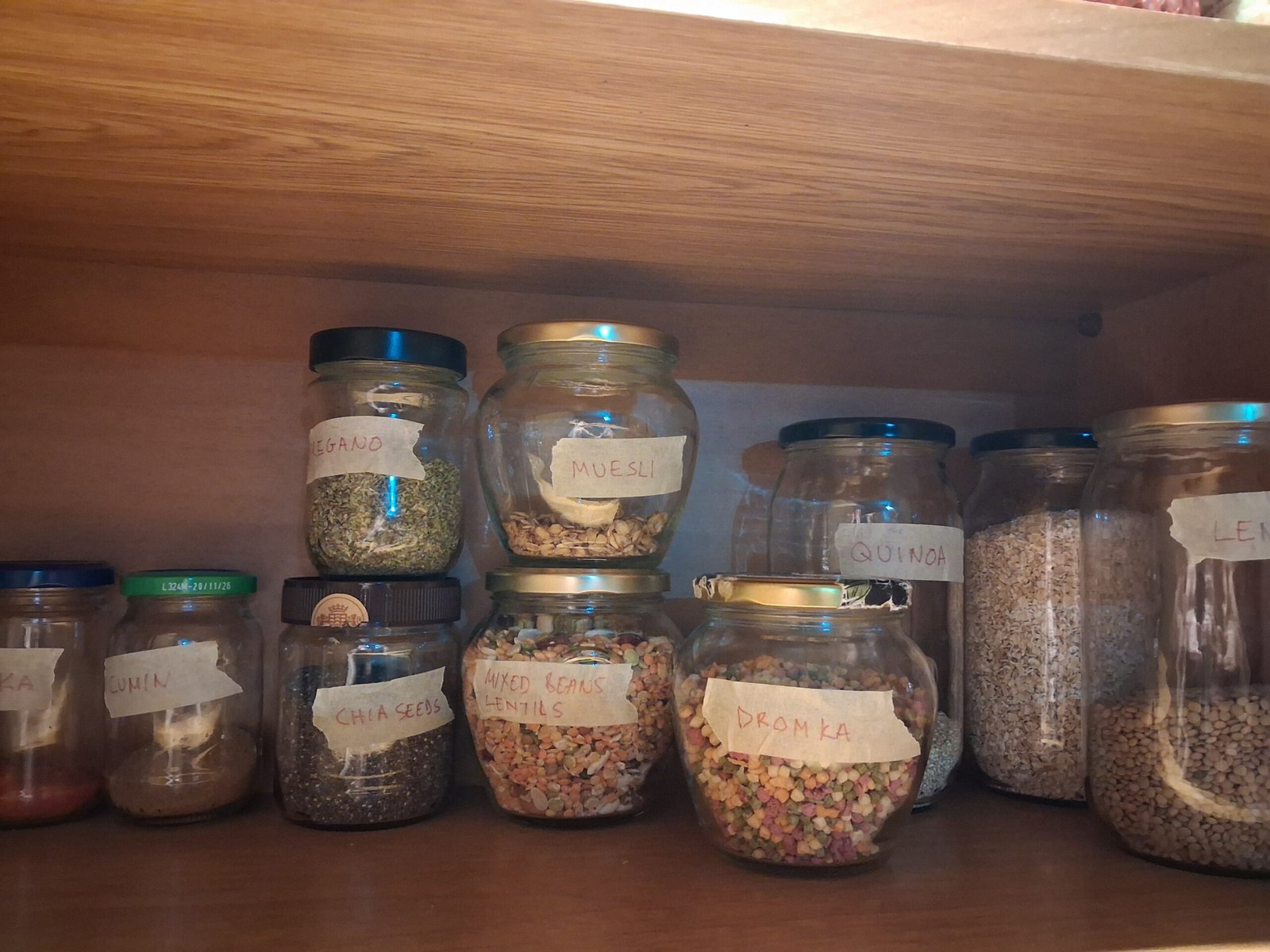
But beyond the jars, I haven’t yet found real bulk sources, and winter is exactly when I feel compelled to stock up: toilet paper, beans, lentils, rice, coffee, dog food. I know I can wander the street markets to buy vegetables and dry goods in bulk—that’s probably what many locals do—so that should probably be my next step. I also need to stock up on nuts and shelf-stable milk.

The fireplace, though, is where the bulk question plays out differently. They don’t sell a small cord of wood at stores here—you know, the half a dozen split logs bundled up that you can take to your car? Instead, you order a truck to deliver two square meters of chopped logs, and you split and store them yourself. I’m told you can also pay someone to chop it up and lug it upstairs, though I don’t know how much that costs, or whether they do the work off-site or at one’s place—we don’t really have a yard for them to do it here.
We’ve ordered a large firewood shelf for balcony storage through Temu (Amazon doesn’t deliver here), so until that arrives we’re hesitant to order the wood; we don’t yet have somewhere secure to store it. And finding out and scheduling any of these things can take weeks of back and forth over WhatsApp—the communication channel of choice for businesses here. People don’t respond promptly, and scheduling is very informal.

In fact, getting anything done here runs on that same rhythm. When you meet face to face with someone you’re doing business with, other customers will often jump in front and press them with immediate needs if it seems your needs are taking too long. Someone you’re meeting with may also switch to handle incoming phone calls and be on the phone with someone else for twenty minutes. If they say they will meet you somewhere, it can sometimes be two hours later. All of this takes some getting used to.
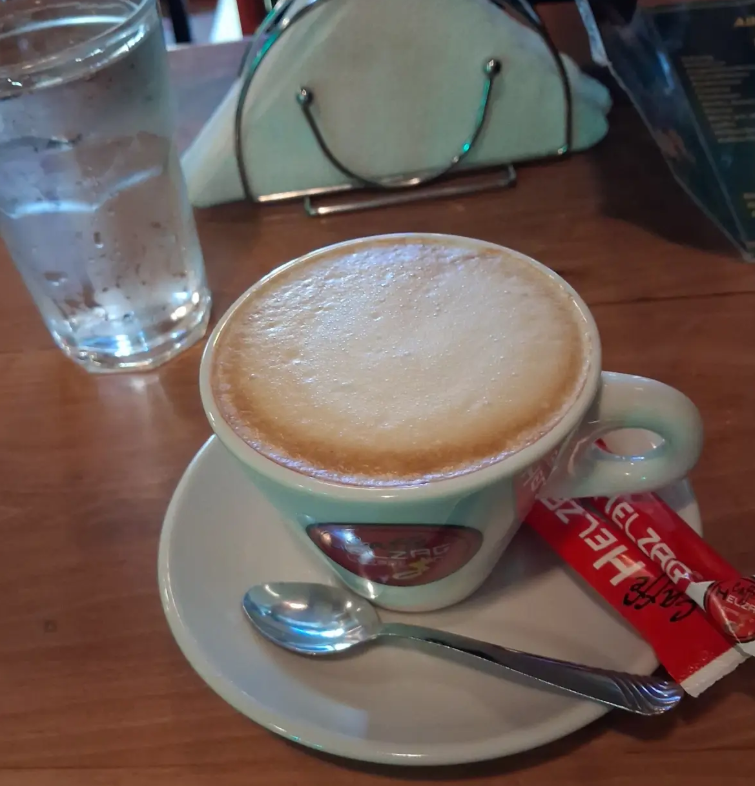
America spoils you on convenience and a feeling of independence — with the ease of driving to a big box store and getting everything in one day, versus a patchwork quilt of community interdependence. Here, we adjust as the weeks slip by, only to realize we still haven’t secured a vet or a dog grooming appointment, found the right, affordable help for the residency application process, or even located a dentist or a local doctor. Some days, the whole victory is taking out cash, finding a toilet plunger, and meeting a local expat for help finding replacement light bulbs — then spending a couple of hours chatting over very good espresso

It’s not a bad trade-off.
Goodbye Warehouse Clubs, Hello European Markets

What Happens When You Embrace Small Scale Living

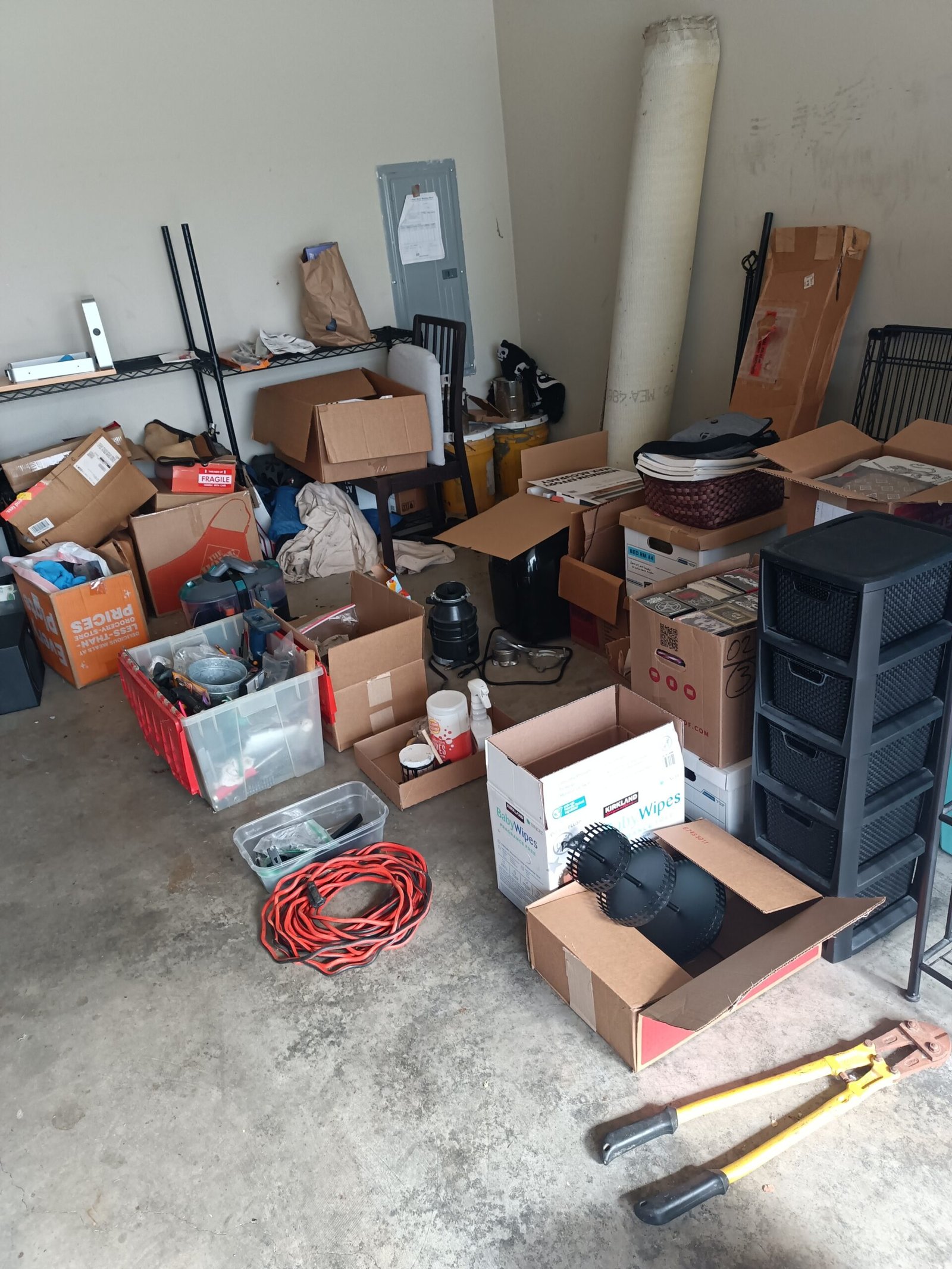
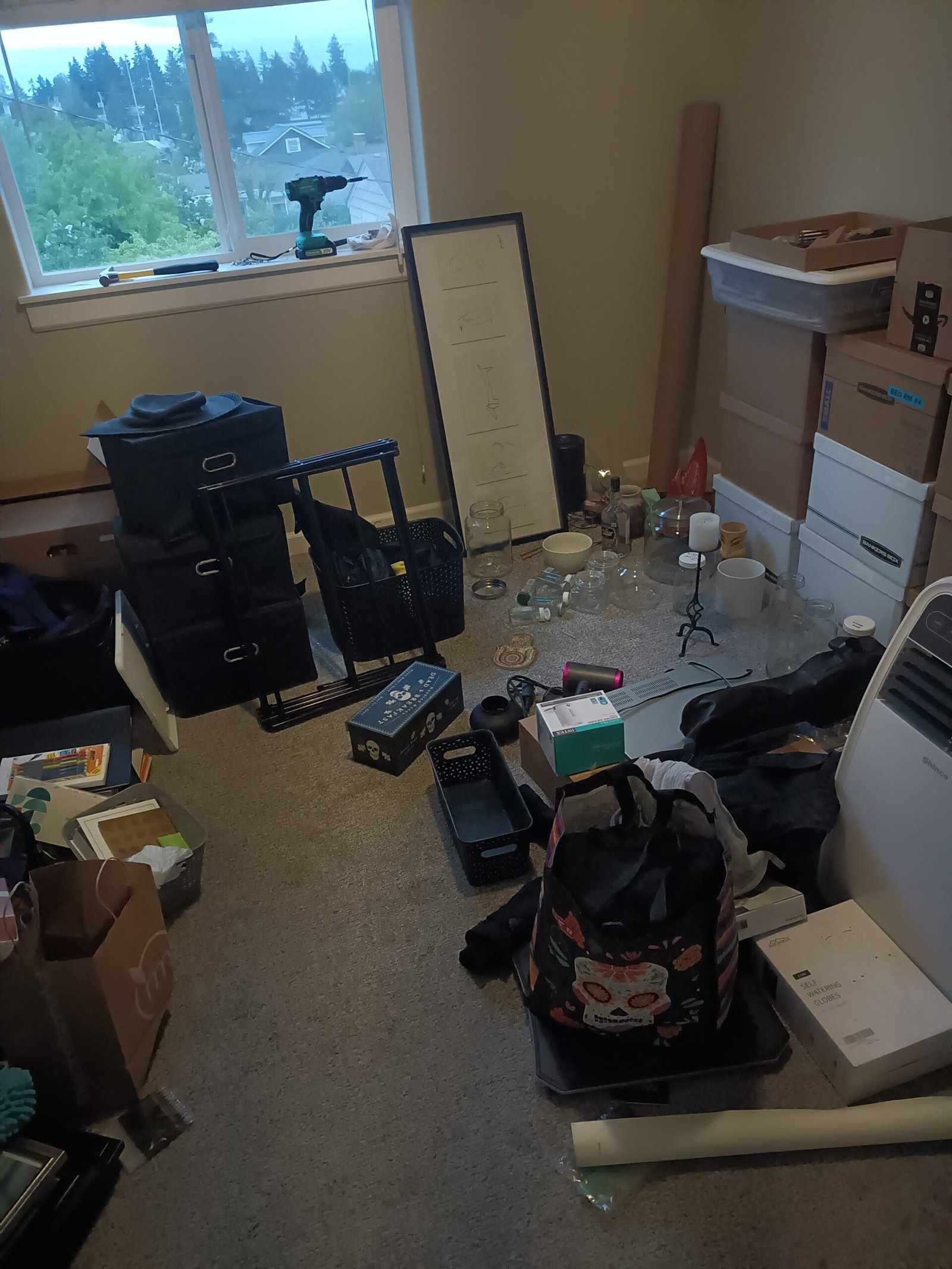
Today was our last attempted Costco run—we’ll be leaving for a European country with no Costco in a couple months, and within weeks we’ll sell nearly everything to stay briefly with family.

I went for peanut butter, soymilk, yogurt, and sausages. At the door, I was warned my membership had expired and would automatically renew at checkout. I politely declined, noting we’d soon be abroad with no plans to renew. The door person asked, surprised, “Oh, does the country not have a Costco?” I confirmed. No. Out of habit, I even apologized, which seemed misplaced. I’m sorry our new country will not have a Costco?

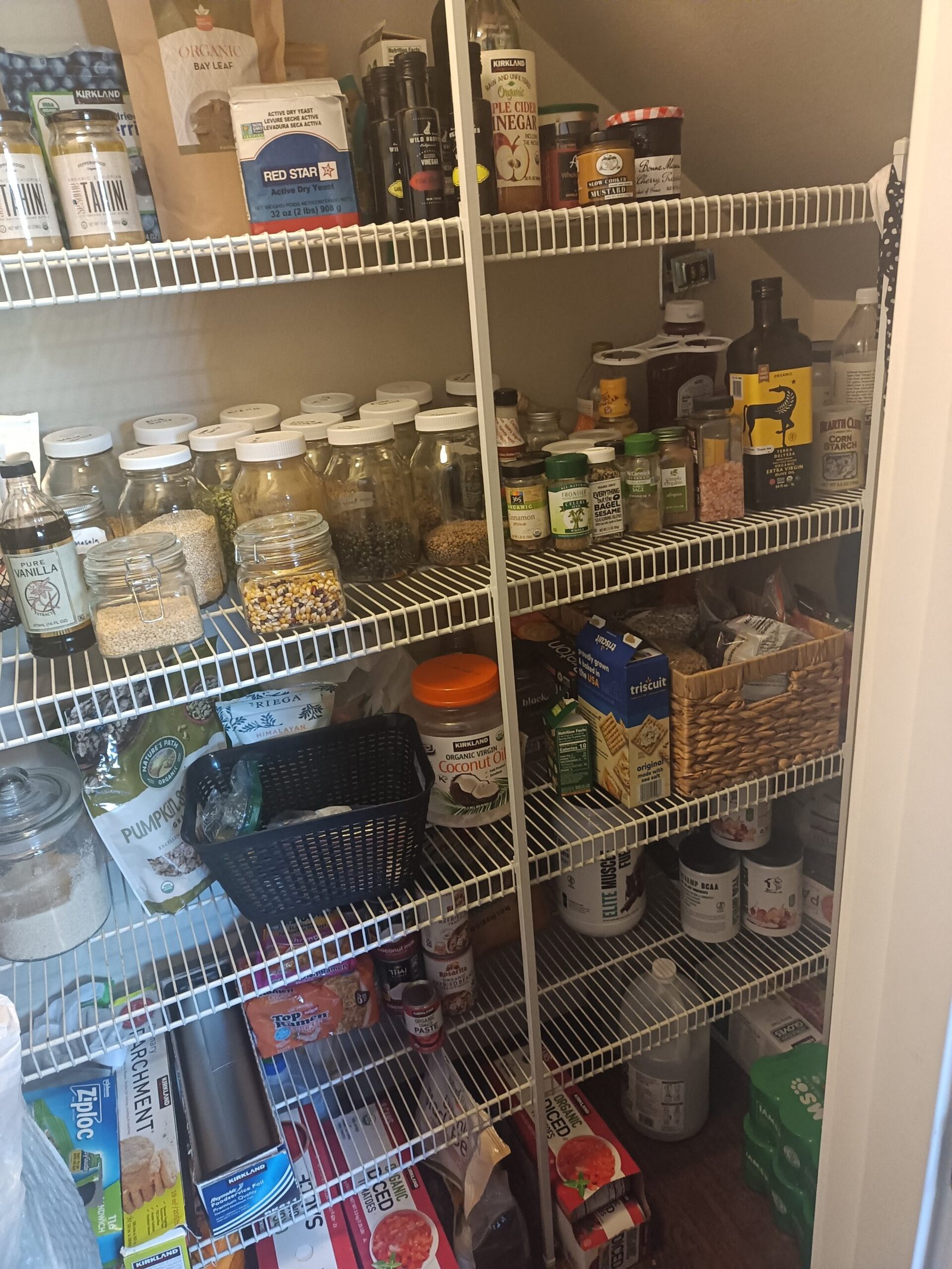
For now, it’s probably for the best—spending $200 on items we’d likely give away or cram into an already packed car for our cross-state trip wouldn’t make sense. I already want to bring our pantry staples: beans, lentils, and the Instant Pot. (Don’t get me started on the spice blends I want to take overseas).

So yes, it’s bittersweet. Costco sustained us through many layoffs, recessions, and winter storms. We accumulated cases of tomato products, bags of beans, lentils, and rice; large spice containers; boxes of soy milk; oversized bottles of hot sauce, olive oil, juice; giant bags of nuts and granola. For decades, Costco anchored our frugal American lifestyle. I learned to cook soups, stews, chilis, bean dishes, and more, out of my pantry.

But moving to a small European town will change all this in ways that weren’t possible in the US. In Europe, towns will be walkable, lined with fresh produce markets on every street corner. Homes will be small, lacking storage space. We may not own a car at all. I’m looking forward to walking daily to bakeries for bread, stopping at cheese shops, visiting a butcher. I’m excited to embrace a different pace, a smaller scale. But another part of me will likely still find myself storing containers of beans, rice, or potatoes—habits born from lean times.

Notes:

Support this work – I share additional writing, behind-the-scenes notes, and works-in-progress on Patreon.

MA Thesis on Butoh – I self-published my thesis exploring performance, embodiment, and cultural history. Available here.

One-time support – If you’d like to contribute directly, a $3 tip via Ko-fi is always appreciated.

The Quiet Between Chaos: Stepping Back Before the Big Move

Packing, planning, and prepping – but not ready for the big reveal.

Took a breather from writing for a couple months. The world and my bandwidth experienced some tumult, to say the least. The US went to war with Iran, we helped a family member move out of state, and our own preparations for our international move shifted from the conceptual to the daily grind of a merciless to-do list. I did not have the spoons for reflective writing – at least not anything public.

In the quiet moments between chaos, I turned to books: Orwell’s 1984, Budgie’s memoir The Absence (the drummer for Siouxsie and the Banshees), and most recently Octavia Butler’s Parable of the Sower.

I’ve been buried under the slow moving, flakey world of Facebook Marketplace, the piles of digital bureaucracy of all things financial, legal, and administrative that comes with such a move, and the demanding march of getting our house ready for sale and ourselves overseas. It’s easy to lose yourself in spreadsheets when the bigger picture feels uncertain.

I’m not ready to announce where we are headed. I’m trying to thread the needle between safety, privacy, and superstition. It’s also TBD what direction my writing will take for this chapter. Many people are seeking others detailing checklists, budgetary guidelines – and I’ve definitely been a consumer of that kind of travel writing.

Balancing the audience’s hunger for roadmaps with my desire to stay true to a more reflective, culturally observant style, and navigating the boundaries of transparency, remains to be seen. I’ve been following a number of YouTube channels and Instagram profiles, and many approach these same questions in different ways.

I expect my style to evolve – there is no point in being prescriptive. It is also not in my nature to duplicate others’ efforts.

What’s on the Table

What I can reveal is that we’re a family of three, traveling with a young adult child. I will address observations for that demographic broadly, without personal transparency. We will also be traveling with two small dogs. We will likely be traveling out in the summer and spend a couple months exploring different cities in the country we are interested in, until we find one we’d like to establish a residency in. We are hoping for an affordable, walkable town with arts, culture, museums, theatres, outdoor eateries, and nature. It would be wonderful if we found opportunities for my spouse to DJ post-punk/80’s underground for any local venues. In the meantime his darkwave/postpunk playlists are available on MixCloud.

I hope to find a good homebase for exploring the rest of Europe while diving deep into the local arts scene—both of which I plan to write about.

Stay tuned!

Notes:

💚 Shop Independent: All book links in this post go to Bookshop.org. Your purchase supports local bookstores and helps fund this writing. (Affiliate links used).

💡 Support this work – I share additional writing, behind-the-scenes notes, and works-in-progress on Patreon.

📖 MA Thesis on Butoh – I self-published my thesis exploring performance, embodiment, and cultural history. Available here.

☕ One-time support – If you’d like to contribute directly, a $3 tip via Ko-fi is always appreciated.