
After a month living in Albania, we share why we chose this overlooked European country—from visa flexibility and affordability to ethical concerns about gentrification. A realistic guide for digital nomads considering the Balkans.
We’ve been in Albania for almost a month. While I’ve written about the move and our initial landing, I haven’t been clear about why Albania—and specifically, this small mountain city where we’re putting down roots.
I was initially coy about our destination, but now we’re here. We’re working to secure an apartment this week. I’ve shared some of our goals: a slower, more affordable, walkable way of life. But what led us to this particular country?
Practical Benefits
Albania affords Americans one year visa-free—a significant benefit. It gives travelers the chance to explore and see what suits them before rushing into residency requirements. For others, leaving the country for three months resets this clock—a maneuver commonly called the “Schengen Shuffle.”
Why Albania Specifically?
Beyond logistics, several factors drew us to this small Mediterranean nation:
Climate and Geography
Albania offers diverse climates and landscapes. Coastal cities like Sarandë or Vlorë attract visitors seeking the Albanian Riviera. Others prefer the vibrant capital, Tiranë, with its clash of modern experimental architecture, older brutalist buildings, and colonial government structures—complete with lively nightlife and excellent restaurants.
Quieter mountain cities like Shkodër or Pogradec offer access to large Balkan lakes. Then there’s Korçë—the wintery cultural hub described as Albania’s “Little Paris,” where the French maintained influence in the early 20th century, leaving their mark on the architecture, tree-lined roadways, and cobblestone alleys. Korçë’s climate is cooler and drier; it snows in winter.
Food Culture
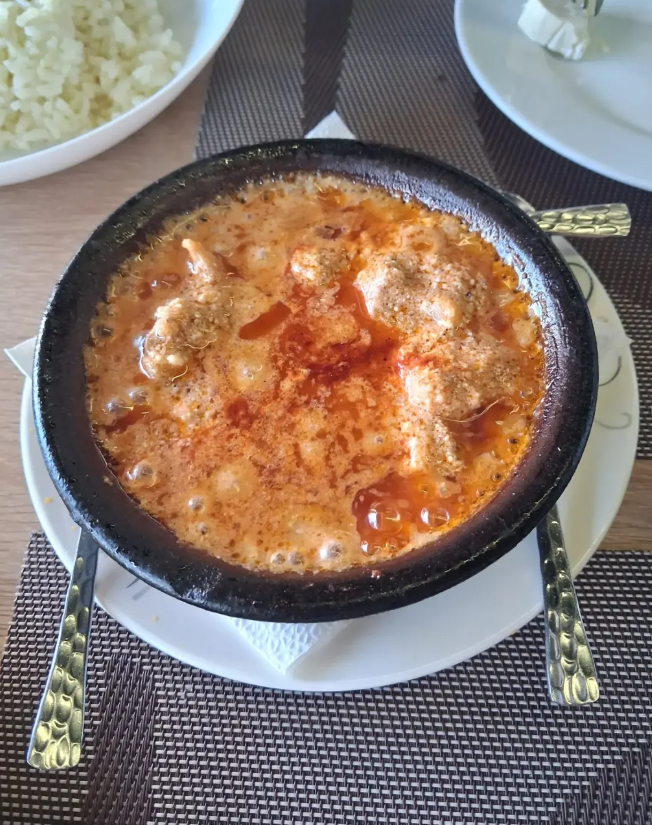
The cuisine blends Mediterranean and Balkan flavors—olives, pizza, pasta, grilled and stewed meats, peppers—all fresh, local, and tasting as nature intended. Eating vegetables, fruits, and cheese that taste whole and full of flavor has been revelatory compared to what we’d become accustomed to in the U.S., where food is often optimized for aesthetics and scale over nutrition and taste.
Affordability
This was perhaps our biggest draw. We can afford to pause from the rat race, work on creative hobbies, online businesses, and studies without fearing foreclosure, eviction, or living in our cars. Housing, medical care, and food costs in the U.S. have escalated precisely as companies have laid off thousands and contracted hiring.
An Ethical Note
It’s important for anyone considering Albania to know: wages here run $500–$1,000/month. You need to bring the means to support yourself while remaining gentle toward the local economy. This isn’t a place to move with Western wages and then spend four times the local amount on rent or tips—that behavior drastically alters local economies.
We’ve seen this happen in Spain and Portugal, where locals have pushed back against gentrification by foreign investors, Airbnbers, and affluent tourists. As someone who had to leave my home state of California due to these forces, and who watched Austin, TX and Seattle, WA shift under unrestrained tech economies—I support their demands. I’m proud of those in Spain who pushed for rental protections when an 87-year-old faced eviction due to developer pressure. I don’t want that dynamic in Albania.
Living Lightly
I believe it’s important to pay what locals would pay for an apartment. It’s crucial to support small, local cafes and restaurants—not with loud American fanfare and large tips, but with personable, regular service. These cities want business and investment; they’re recovering from a tenuous past when many young people left to send money home.
But we shouldn’t arrive and recreate the situation many older Americans face today—being priced out, unable to afford medication or food. There needs to be balance and regulation. Those traveling must remain sensitive to the impact of their footprint.